Range Cooker Myths Debunked: The Truth Behind the Most Common Misconceptions
Range cookers have become one of the most desirable kitchen appliances in modern homes. They offer presence, practicality and performance in equal measure. Yet despite their popularity, there are still plenty of misconceptions that cause hesitation for homeowners considering one.
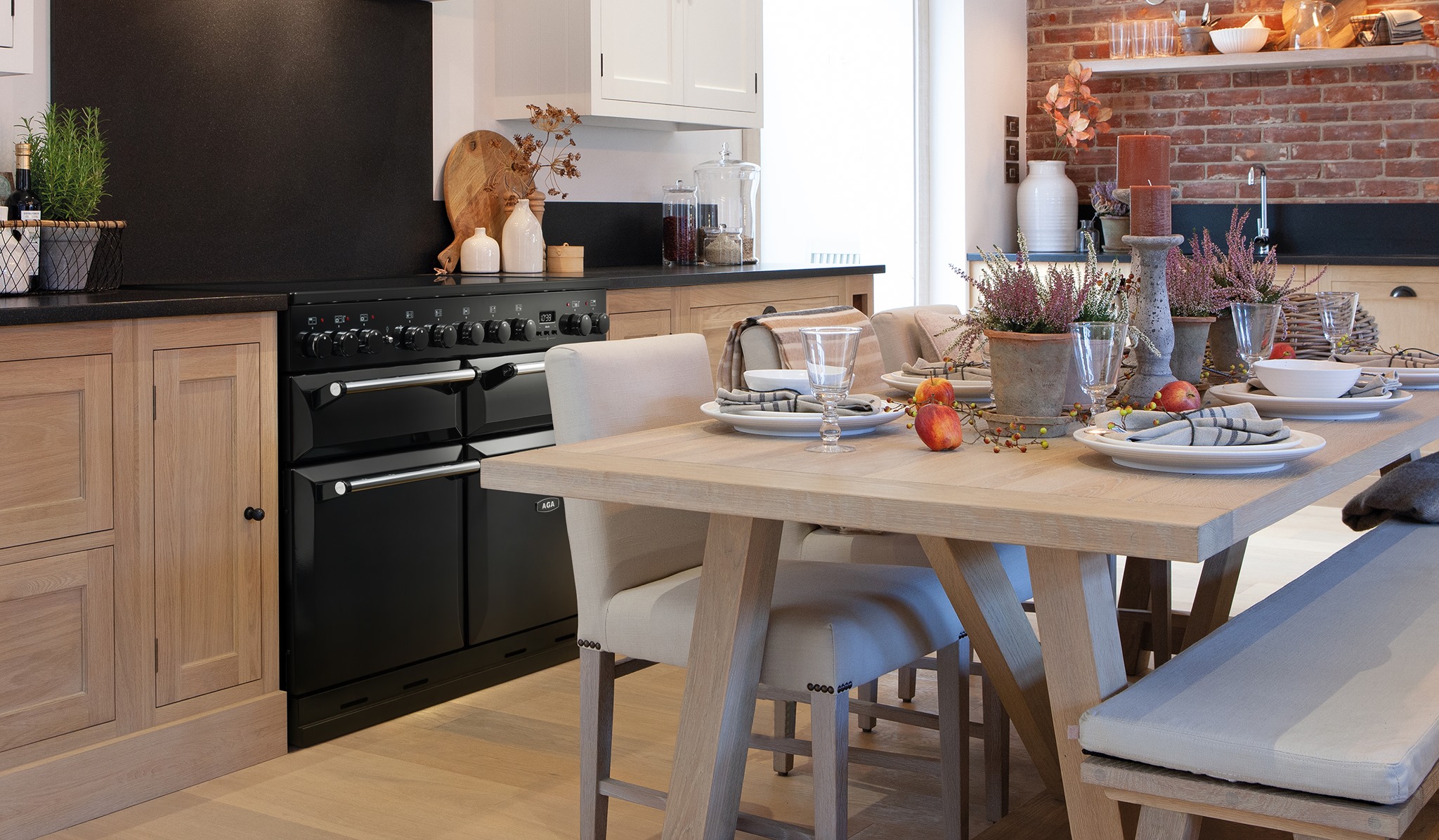
Some believe they are too large. Others assume they are expensive to run or complicated to install. In reality, many of these concerns are based on outdated information or misunderstandings about how modern range cookers are designed.
If you're weighing up your options, here's a closer look at the most common myths - and the truth behind them...
Myth 1: Range cookers are only suitable for large kitchens
Perhaps one of the most common misconceptions is that range cookers are only suited to large, country-style kitchens with endless floor space. In many UK homes, the standard cooker is 60cm, with some slightly wider 70cm models offering a little more cooking room. These sizes are compact and practical, which is why they are so common in new-build properties and smaller kitchens. However, the introduction of 90cm range cookers has dramatically changed what's possible.
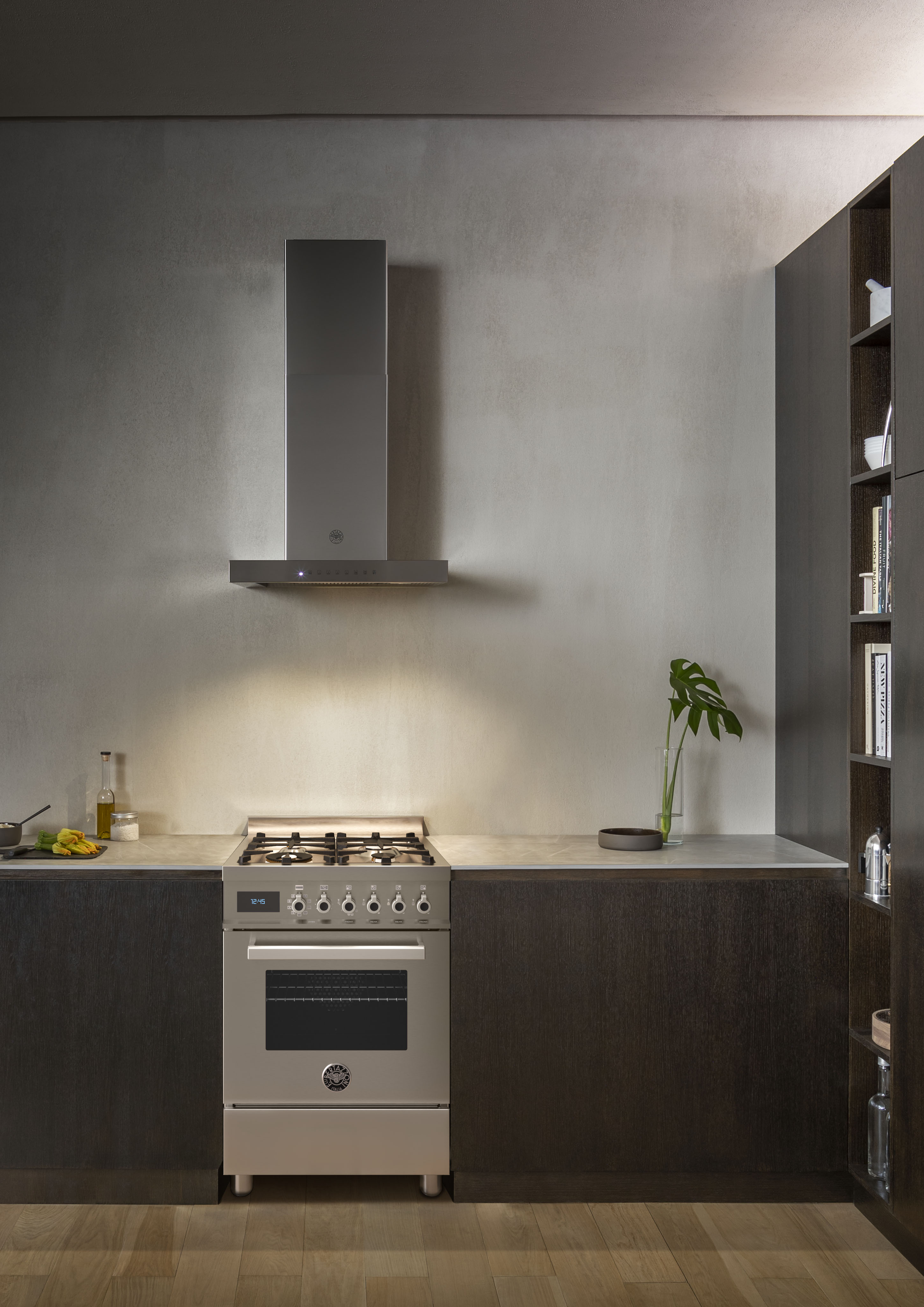
A 90cm range cooker is considered the most compact "true" range format. While it is wider than a standard 60cm or 70cm cooker, the difference in footprint is often more manageable than people expect. That additional width allows for a second oven cavity, more generous hob spacing, and even a separate grill compartment - features that significantly improve cooking flexibility without requiring a huge kitchen.
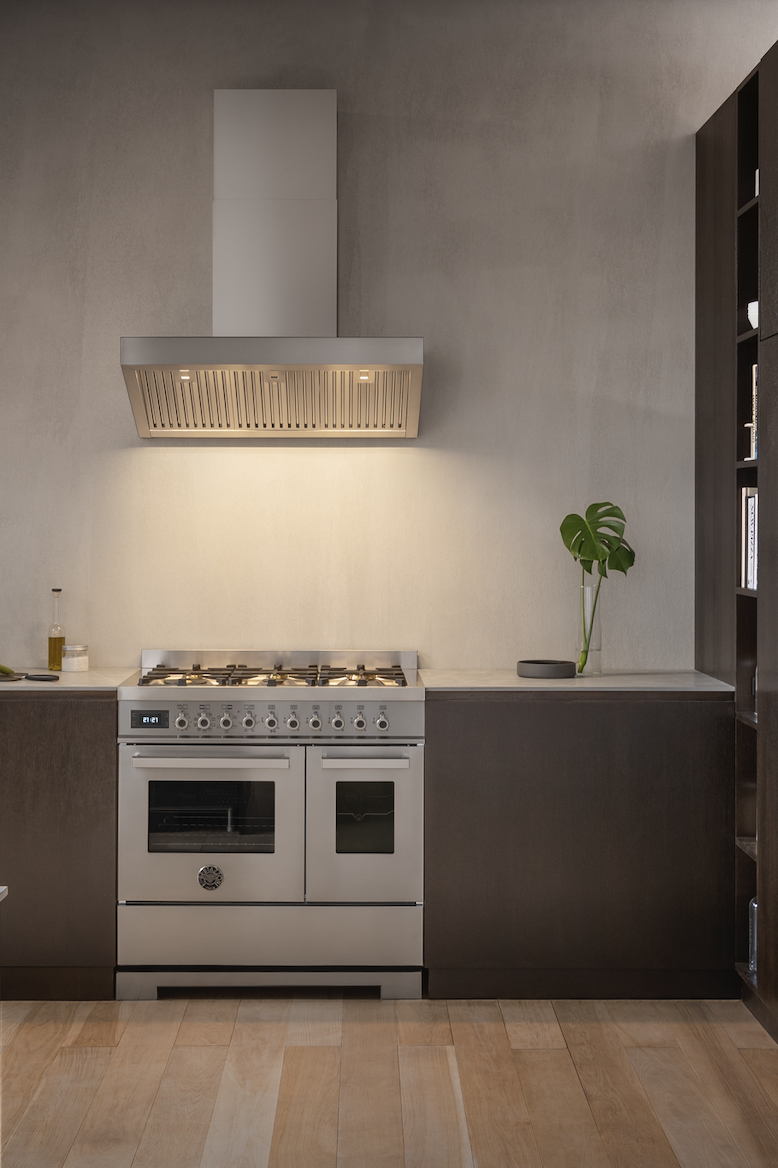
For many homeowners planning a renovation, moving from 60cm or 70cm to 90cm, or larger, is less about needing a larger room and more about smart layout planning. Cabinet runs can often be adjusted to accommodate the extra width without compromising storage. In modern kitchen design, sacrificing a small section of cabinetry in exchange for greater cooking capacity is often seen as a worthwhile trade-off.
Myth 2: Range cookers are expensive to run
It's easy to assume that a larger appliance automatically means higher running costs. However the size of a range cooker does not necessarily translate to significantly higher energy bills.
Modern range cookers are designed with efficiency in mind. Improved insulation helps retain heat more effectively, while fan-assisted ovens circulate hot air evenly, reducing cooking times and energy waste. Many models are also rated with strong energy efficiency classifications, comparable to standard built-in ovens.
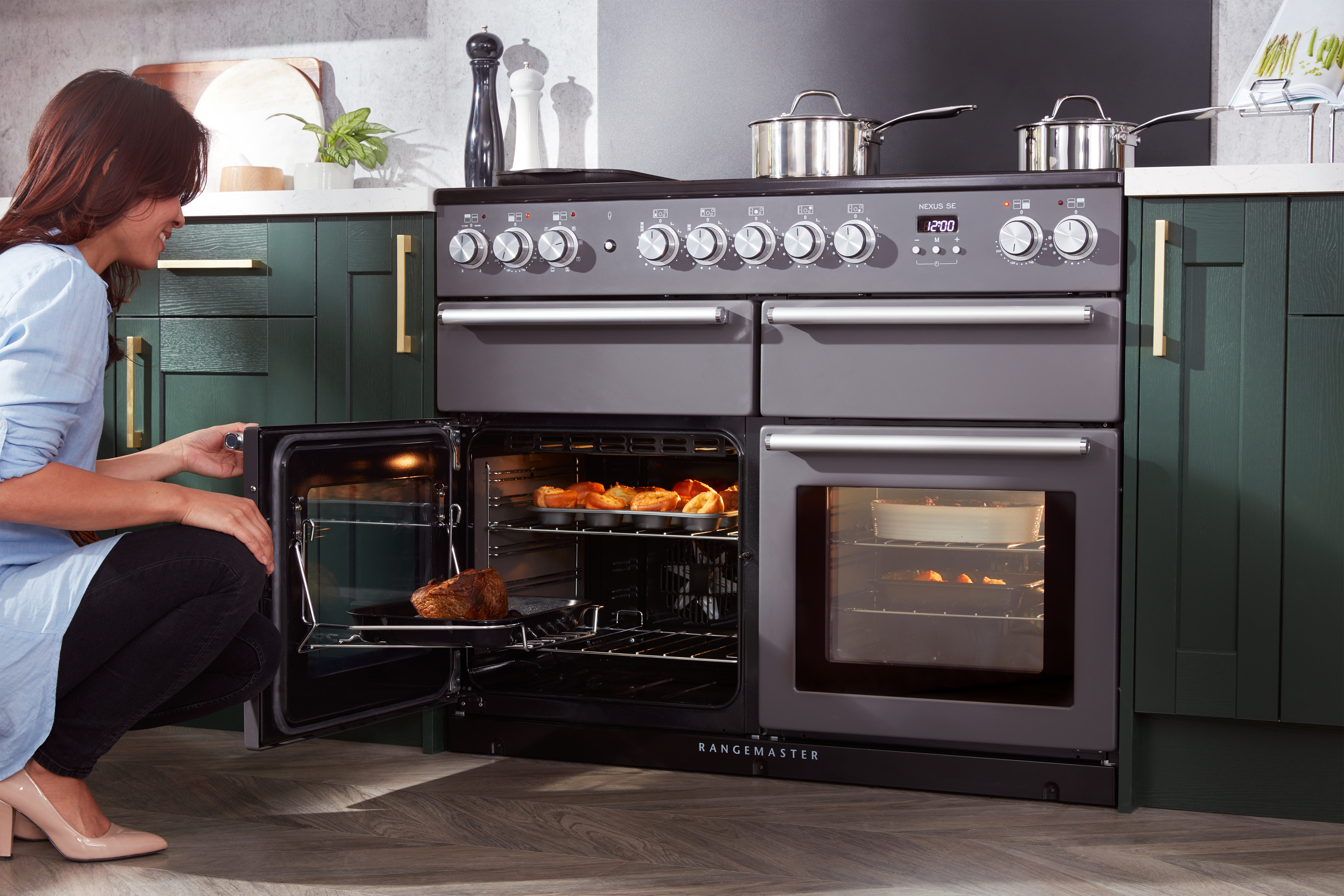
One of the biggest advantages of a range cooker is the option of multiple cavities. Rather than heating a large single oven every time you cook, you can choose the most appropriate cavity for the task. If you are preparing a simple midweek meal, you might only use the smaller oven. When cooking for guests or preparing a large family meal, you have the option of using multiple cavities at once.
In fact, being able to cook several dishes simultaneously can sometimes by more efficient than repeatedly heating and reheating a single oven. Induction models further enhance efficiency by heating the pan directly rather than wasting energy around it.
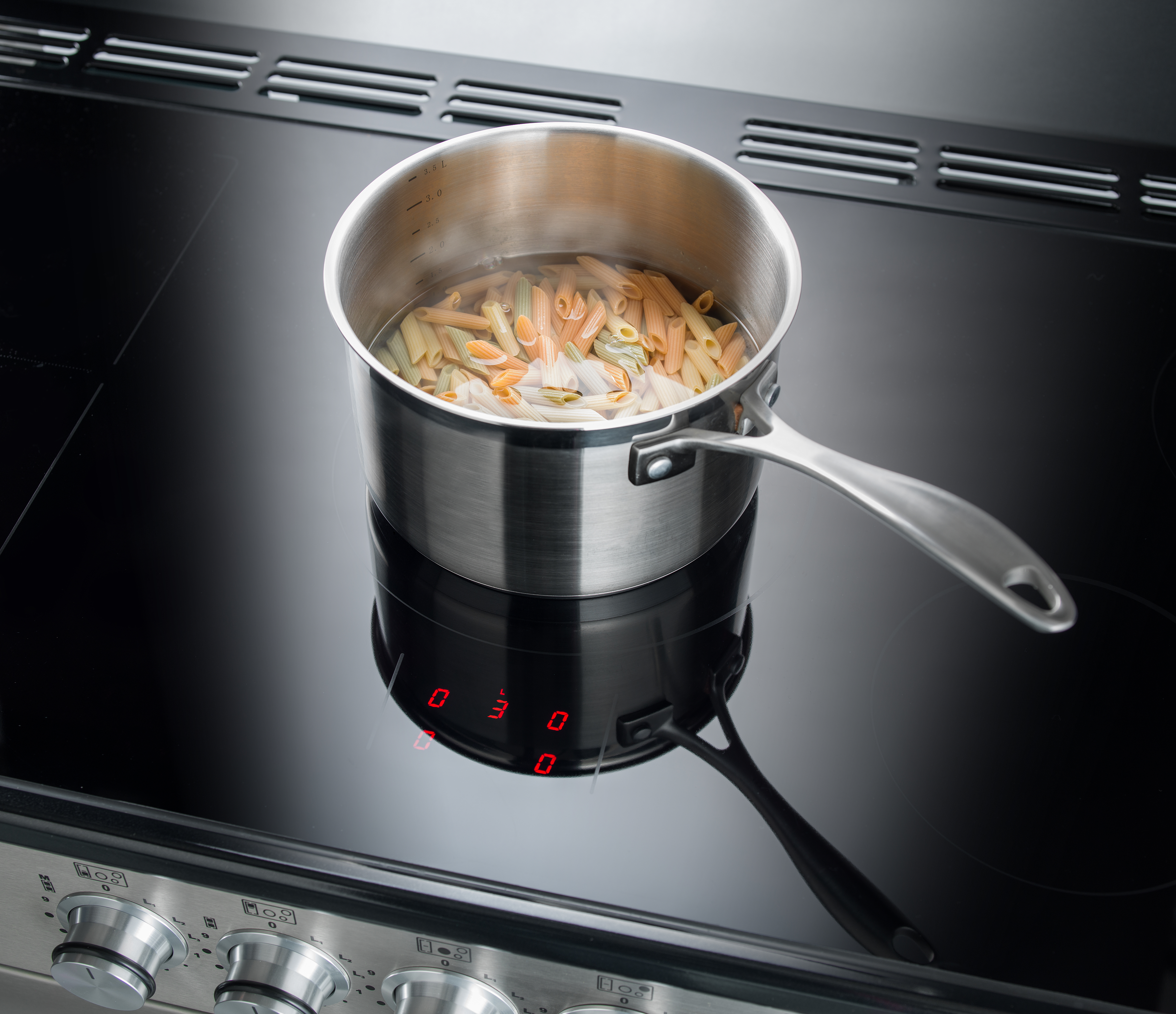
Ultimately, running costs depend far more on how an appliance is used than its size alone. For many households, the difference is far smaller than expected.
Myth 3: Installation is complicated
Another concern is that installing a range cooker will involve major structural work or complicated alterations. In reality, installation is typically straightforward when planned correctly.
The key considerations are ensuring the correct power or gas supply is available, allowing appropriate clearance space, and fitting suitable ventilation. These are standard requirements for many large kitchen appliances and are not unique to range cookers.
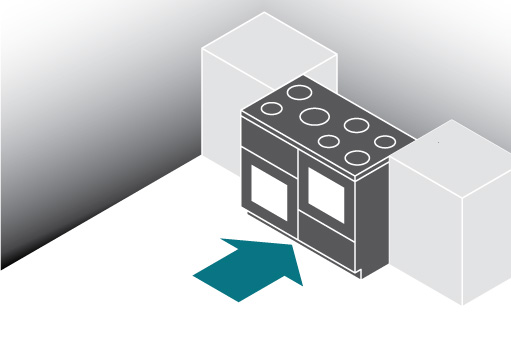
We can often arrange for your range to be connected when it is delivered by the manufacturer, provided that the electrical and gas points are already in situ and of Gas Safe standard. These are our general requirements:
- General guidance: connection can only be made to a supply which is sufficient for the appliance. In all cases installation position must be approved by the engineer in situ.
- Ventilation and fire hazards: adequate ventilation in the room is required. Proximity of surrounding and overhanging cupboards should be taken into consideration.
- Walls: allowance should be made for suitability with regard to side walls, especially where appliances with side opening doors are to be installed.
- Access: all connection points must be accessible for servicing.
- Old cooker removal: if booked, disconnection of your old appliance can be done.
With proper preparation, the process is no more disruptive than installing other major home appliances.
Myth 4: They're difficult to clean
Older, cast-iron range cookers sometimes developed a reputation for being harder to maintain. However, modern models are designed to simplify cleaning as much as possible.
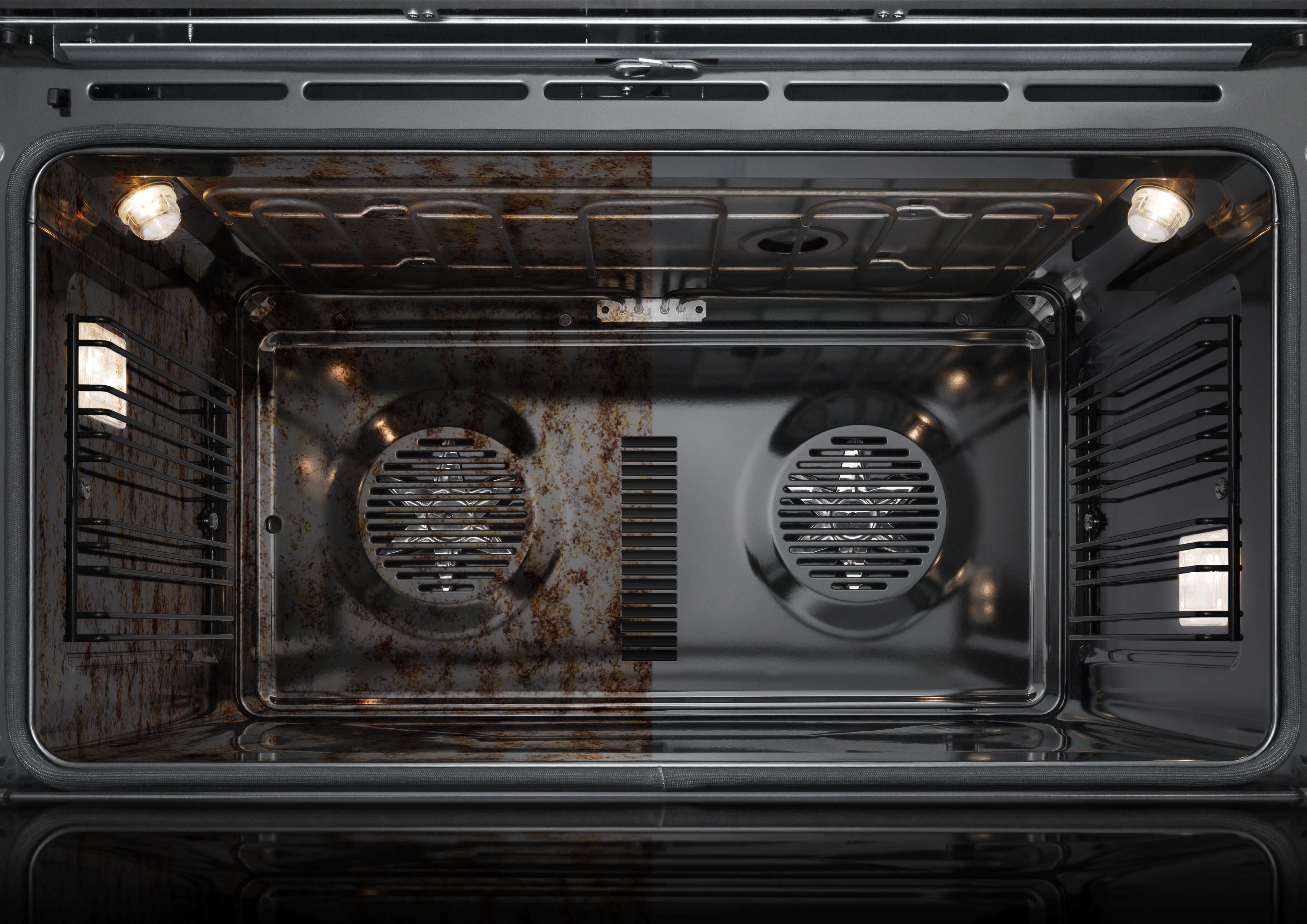
Many ovens now feature catalytic liners that absorb grease during cooking, or pyrolytic cleaning functions that burn residue to ash at high temperatures. Enamel interiors are smoother and more resistant to staining, making wipe-downs easier. Shelves and glass in doors are often removable, allowing for thorough cleaning without awkward manoeuvring.
Induction hobs offer particularly easy maintenance, as their flat glass surfaces can be simply wiped clean once cooled. Even traditional gas hobs are now designed with removable pan supports for easier access.
In practical terms, cleaning a range cooker is rarely more demanding than maintaining a standard oven. In some cases, the improved materials and cleaning functions actually make it easier.
Myth 5: Gas is the only option
While gas has been traditionally more popular, range cookers are now available in a variety of fuel types. Dual fuel models combine the control of a gas hob with the even cooking performance of electric ovens, offering a balance that appeals to many households.
Electric induction options are increasingly sought after, particularly in homes without a gas supply or where energy efficiency is a priority. Induction technology offers precision, safety and fast heating, making it one of the most advanced cooking methods available today.
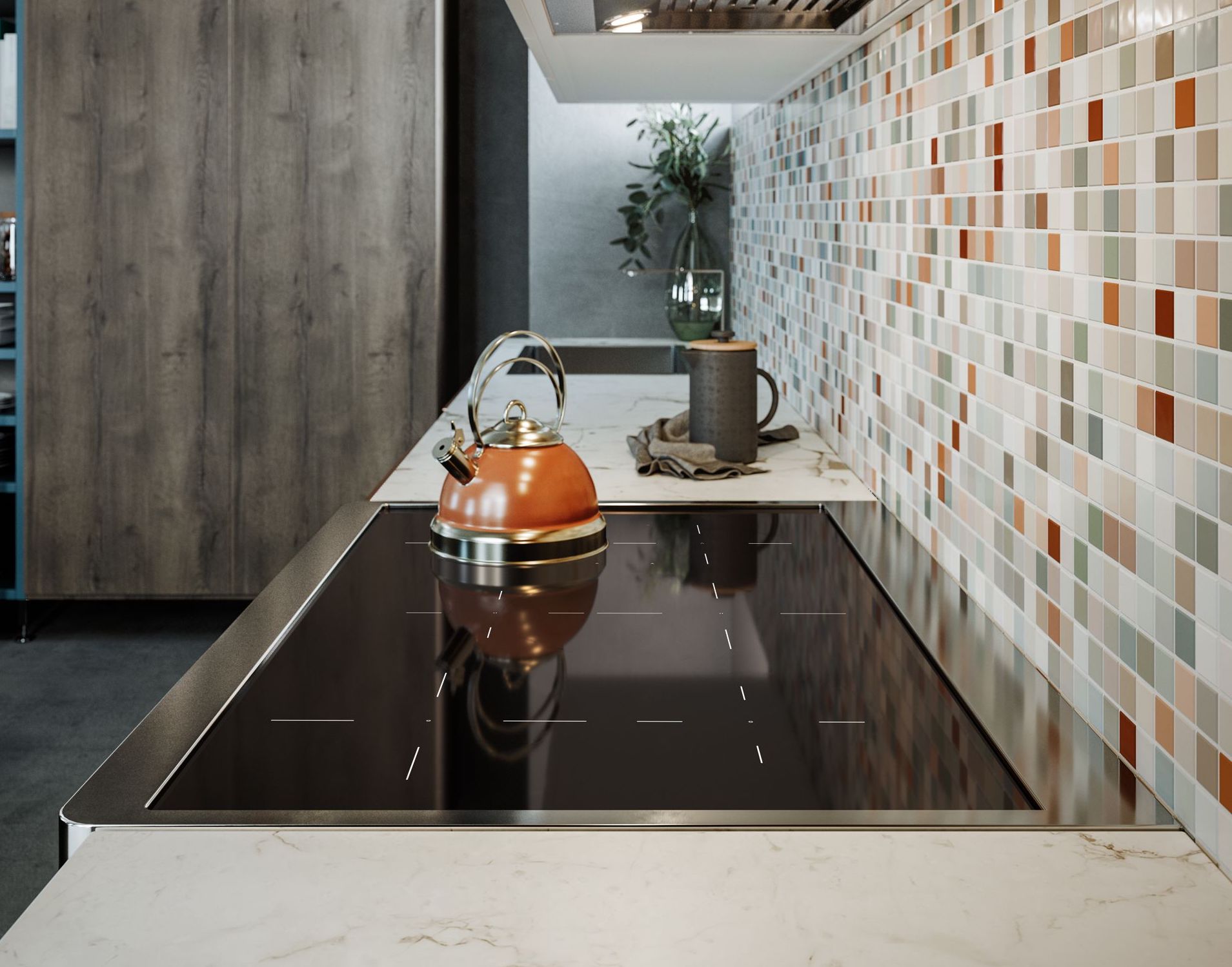
Homeowners are no longer limited to one format. The flexibility of fuel options allows range cookers to suit a wide range of properties and cooking preferences.
Myth 6: They take too long to heat up
This myth largely originates from older cast-iron models that were designed to retain heat continuously. Modern range cookers operate very differently.
Fan-assisted electric ovens preheat quickly and distribute heat evenly throughout the cavity. Gas ovens provide responsive temperature control, while induction hobs heat almost instantly and adjust immediately when settings are changed.
In everyday use, most modern range cookers perform on par with built-in ovens in terms of preheating time. Advances in heating technology mean there is little noticeable delay compared to other cooking appliances.
Myth 7: Range cookers are old-fashioned
The traditional image of a range cooker often involves a classic cream or black appliance in a farmhouse kitchen. While that style remains popular, the modern range cooker market is far more diverse.
Today's designs include sleek stainless-steel finishes, contemporary matt colours, minimalist control panels and streamlined induction tops. Some models are deliberately bold and statement-making, while others are understated and blend seamlessly into modern cabinetry.
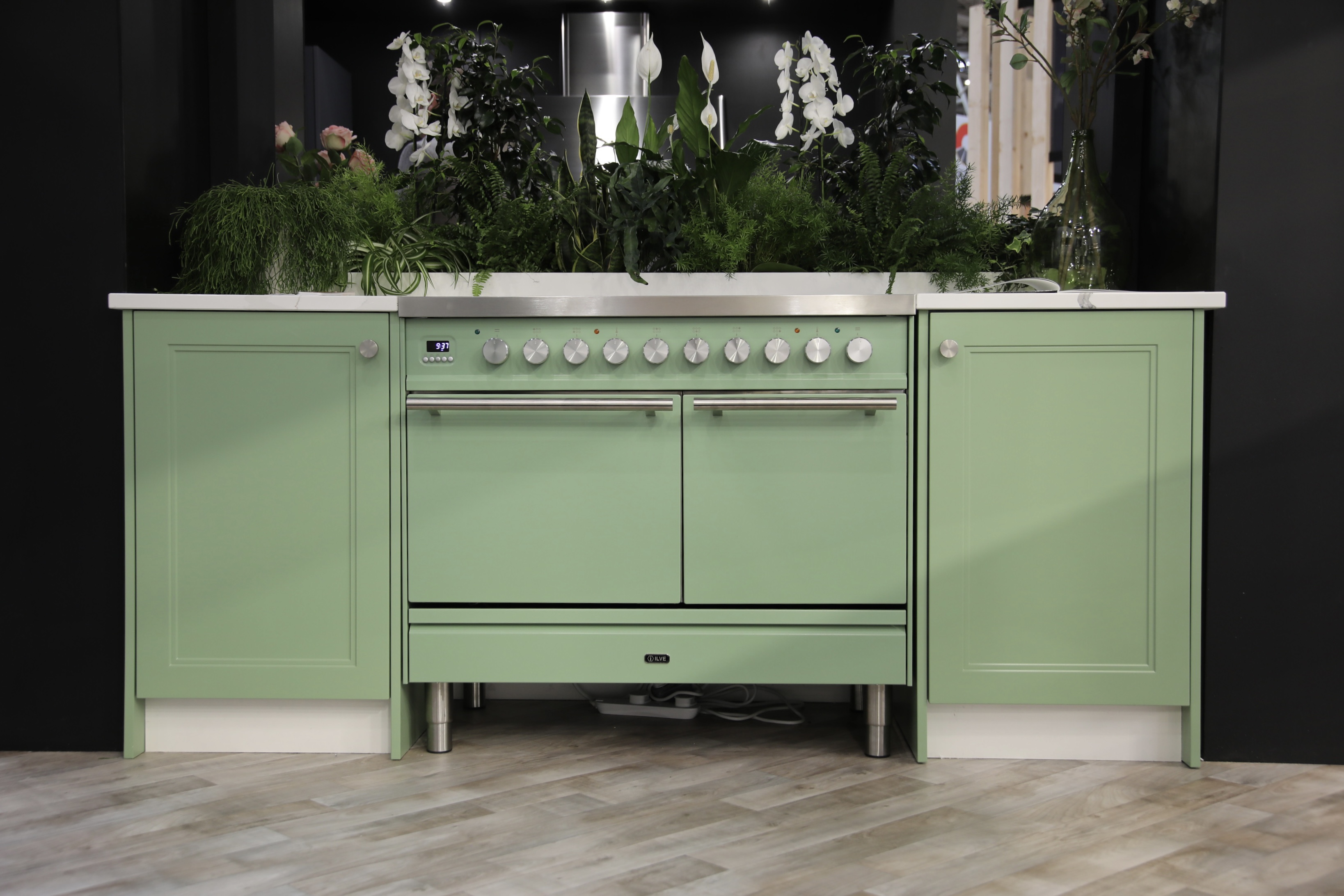
Far from being outdated, many range cookers now complement ultra-modern kitchens beautifully. The variety of finishes and styles available means they can suit everything from country cottages to minimalist new-build homes.
Myth 8: I will have to change all my pans if I switch to induction
As there is a certain way an induction hob works, you will need pots and pans of a particular design for it to cook to the best of its ability. However, don't go throwing all yours away as they may still be suitable.
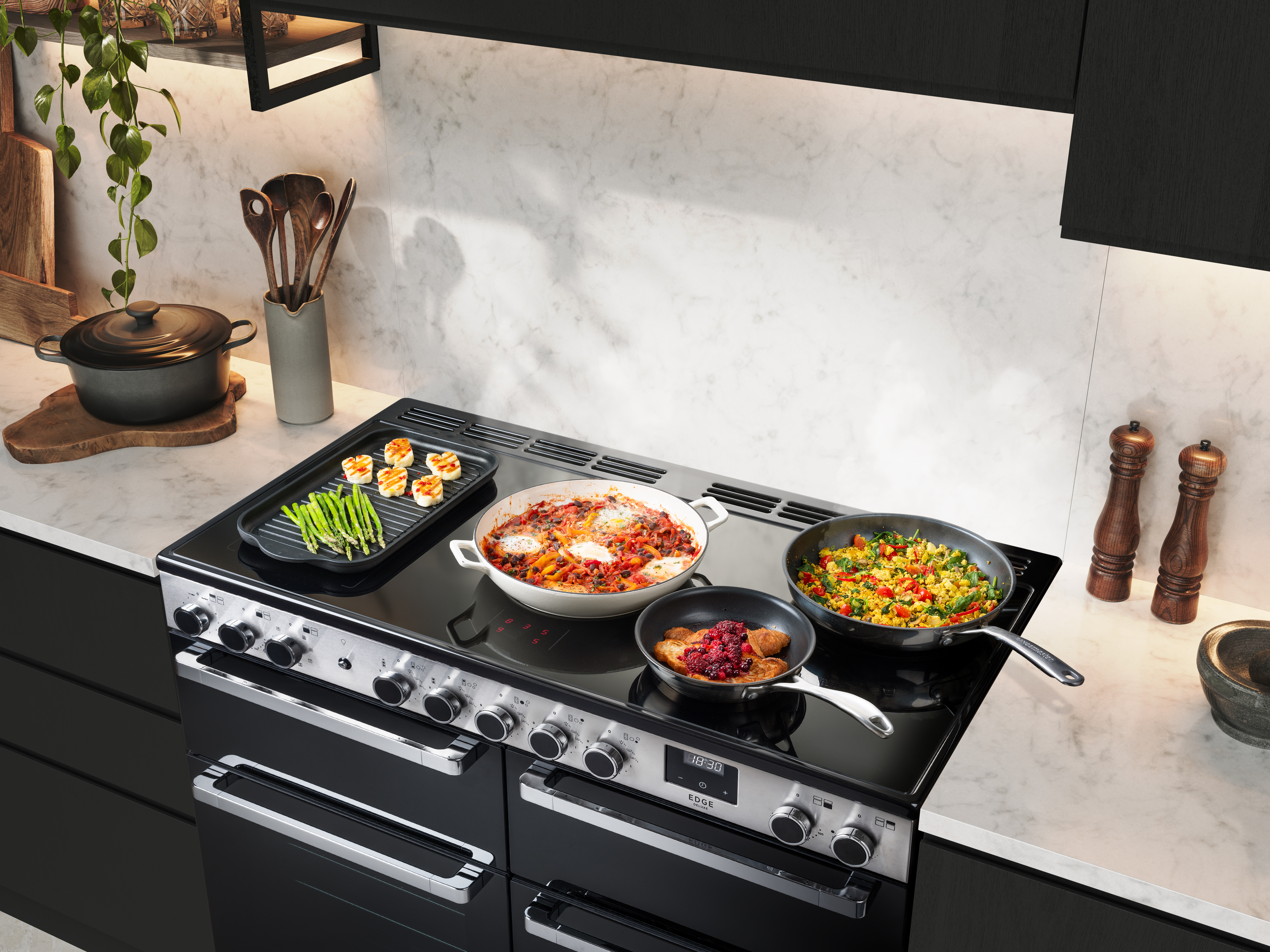
If your pans have a flat base made of a ferrous material, you can use these on an induction hob. One way you can test this on your own is to take a magnet and if it sticks to the pan, it is suitable to use. Some manufacturers also include a symbol on the base of their cookware to make it easier to tell.
- Stainless Steel: unless they have been made especially for induction, with a steel plate embedded into the base, normal stainless steel pans may not work well with induction as the ferrous content is relatively low.
- Enamelled Steel: pans in enamelled steel, with or without non-stick coating, will work very well.
- Cast Iron: these are great with induction but to avoid the risk of scratching the glass top on your hob, use pans with an enamelled base, or avoid sliding the pan across the surface.
- Enhanced Aluminium Pans: Aluminium is a great conducting material, but you will need induction compatible pans with a thick base to ensure more even cooking.
- Incompatible Cookware: glass, ceramic or earthenware pans, aluminium pans (unless they have a special base), copper pans.
Final Thoughts...
The idea that range cookers are oversized, inefficient or impractical simply doesn't reflect the modern reality. Advances in design, efficiency and technology have made them more accessible than ever.
For many homeowners, upgrading from a 60cm or 70cm to a 110cm range cooker is not about indulgence - it's about gaining flexibility and making everyday cooking more manageable.
When chosen carefully and installed correctly, a range cooker becomes more advanced than just a statement piece. It becomes one of the most functional and valued appliances in the home.
View all range cookers on our website here.