What a New Year Could Bring for Range Cookers
The range cooker has long been more than just a practical appliance, often serving as the visual and functional heart of the kitchen. Traditionally associated with classic design and robust performance, range cookers have evolved steadily over the years to keep pace with changing cooking habits and interior trends.
As we look ahead to 2026, that evolution is accelerating. Advances in technology, increasing focus on energy efficiency, and a growing desire for kitchens that reflect individual lifestyles are all influencing what homeowners expect from their appliances. Rather than simply offering more power or larger capacity, the next generation of range cookers should be shaped to work smarter, look more refined and fit more naturally into modern living spaces.
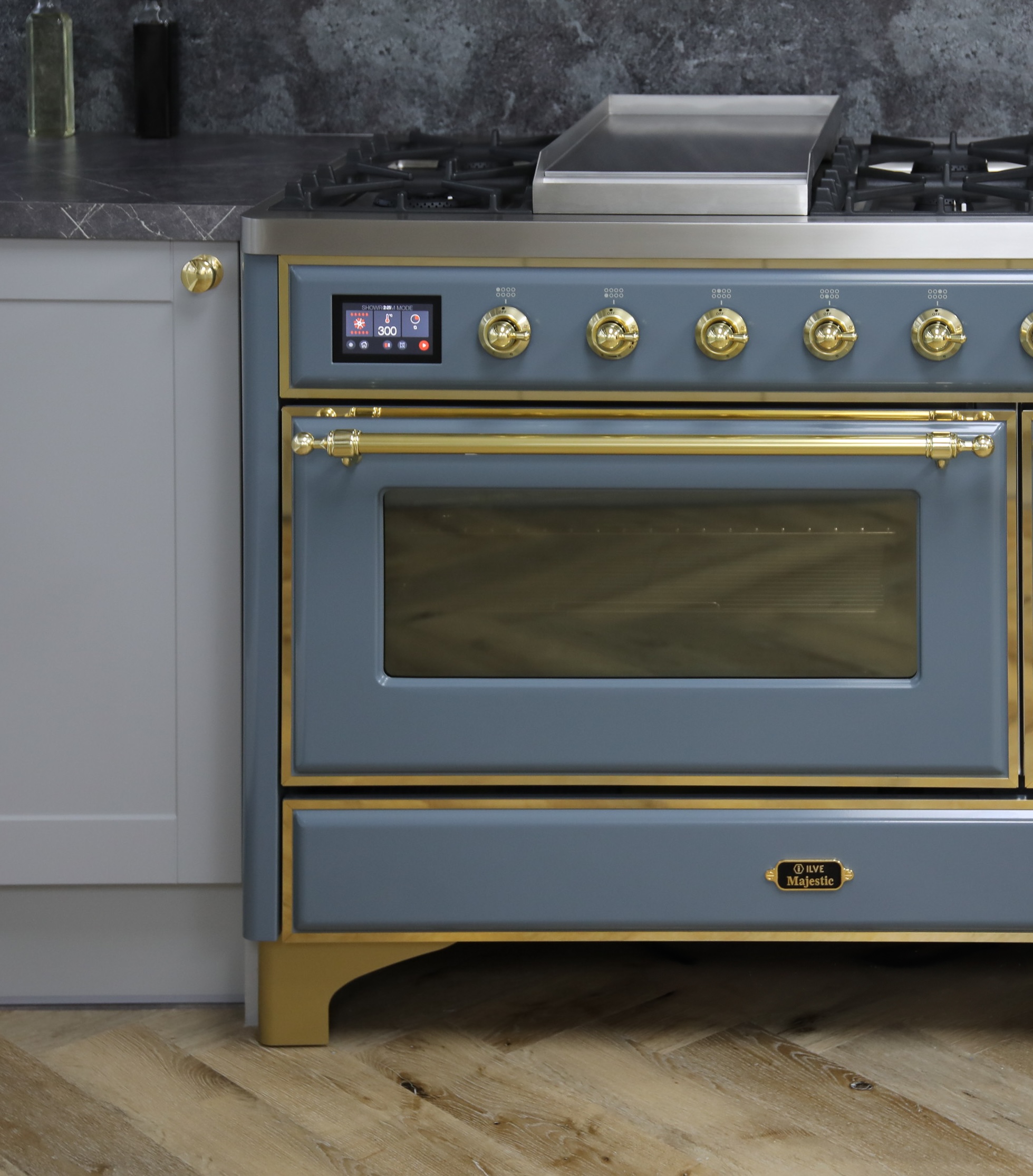
The next generation of range cookers is not just about better cooking, it is about creating kitchens that work for everyone. Here are a few updates we think could be useful in the not-too-distant future...
Smart technology that supports everyday living
We could see smart technology becoming more of a standard feature on many ranges, rather than just a premium add-on. Range cookers could begin to offer more advanced connectivity, allowing users to monitor and control their appliance via smartphone apps or voice assistants. This could allow users to not only monitor cooking progress, but also adjust temperatures and receive alerts remotely. This added layer of control would offer greater flexibility for busy households and make it easier to manage multiple dishes at once.
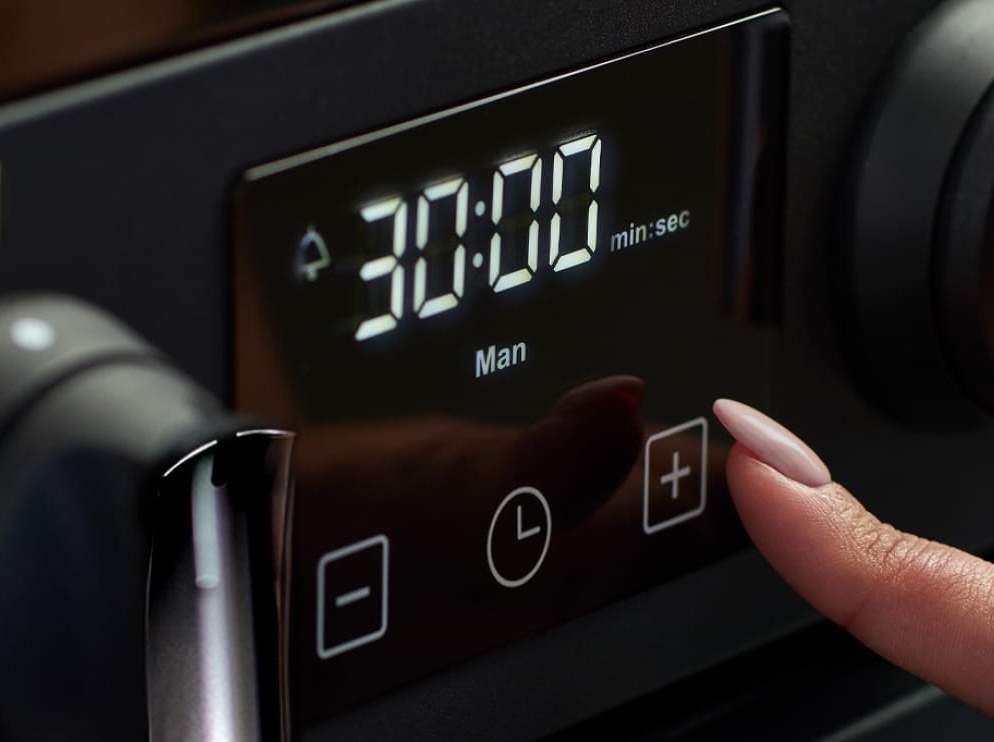
Beyond basic connectivity, it would be great to see more intelligent cooking assistance built in. With the constant progression of AI, for many it now acts as a helpful assistant for a variety of everyday tasks. Rather than being overly complex, AI-driven features on a range cooker would work quietly in the background, learning from how the appliance is used and adapting every time. This could include recognising frequently cooked dishes, suggesting optimal cooking settings, or adjusting heat and timings to deliver more consistent results.
Sustainability and energy efficiency leading the way
Sustainability continues to shape the future of kitchen appliances, and new ranges are no exception. Manufacturers are placing increased emphasis on energy-efficient designs, with better insulation, faster preheating and more precise temperature control helping to reduce overall energy consumption. These improvements not only benefit the environment but also help households manage long-term running costs.
One feature that we could see become more prominent on models is the addition of dedicated eco-modes. An eco-mode setting is designed to optimise energy use during cooking by carefully managing power output, heat circulation and preheating times. Eco-modes may be particularly well-suited to slower cooking tasks or everyday meals, allowing users to make more sustainable choices without changing how they cook.

Beyond day-to-day operation, sustainability could also influence how range cookers are made and maintained. Many brands could explore the use of more recyclable materials, along with designs that prioritise durability and repairability. By extending product lifespans and reducing waste, range cookers are positioned not just as high-performance appliances, but as more responsibly long-term investments for the modern home.
Accessibility and inclusive design considerations
While performance and aesthetics remain key drivers in range cooker design, accessibility is becoming an increasingly important consideration for the future. Manufacturers could begin to place greater emphasis on creating appliances that are comfortable and safe for a wider range of users, including those with disabilities, elderly homeowners and those with reduced mobility or dexterity. Rather than treating accessibility as a specialist feature, inclusive design is gradually being integrated in ways that benefit everyone.
Control layout and usability are central to this shift. Clearer displays, improved contrast on digital screens, and more intuitive control systems can make range cookers easier to operate at a glance. Physical controls such as knobs and handles could become more ergonomically designed, offering better grip and smoother operation for users with limited hand strength. Audible feedback, clear indicators, and consistent control placement can also help reduce confusion and increase confidence when cooking.
Physical access is another key area of development. Features such as telescopic shelves, improved internal lighting and side opening oven doors can significantly reduce the strain involved in placing or removing heavy dishes. These are already available on many models, but could we see them become more of a standard addition?
Range cookers with adaptable height are currently available, with various plinths and legs being adjustable to suit kitchen worktops. But what would be great is if we could see some lower-height models, preferably for wheelchair users, as awareness of inclusive design grows and manufacturers begin to consider how their appliances interact with the wider kitchen space.
Evolving colour trends and finishes
Colour is expected to play an increasingly important role in the identity of range cookers, as homeowners could move away from purely neutral kitchens. While classic shades such as black, cream and stainless steel are likely to remain popular, manufacturers are predicted to expand their palettes to reflect broader interior design trends.
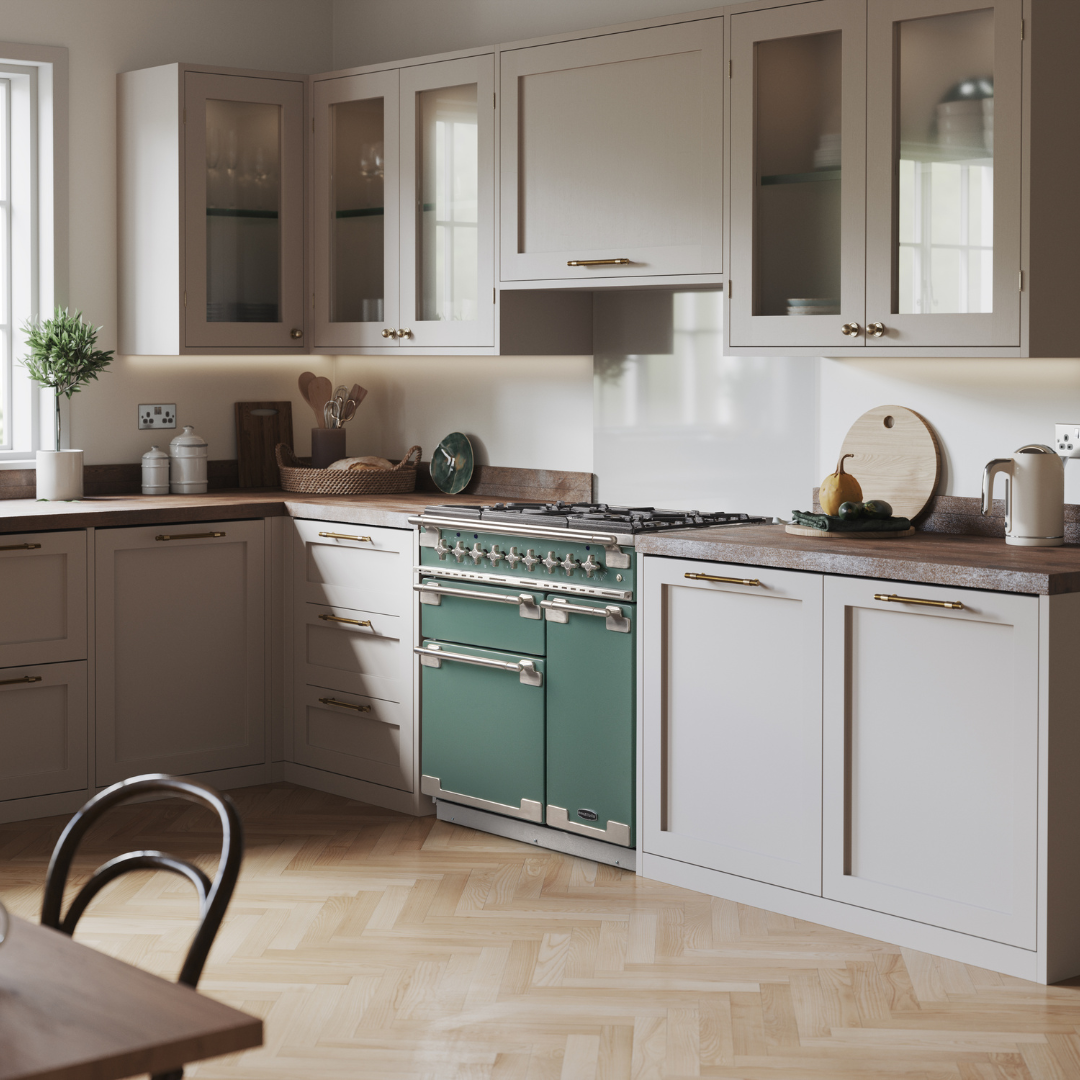
Softer, nature-inspired tones such as sage green, clay, muted blues and warm greys may become more prominent, offering a balance between personality and longevity. At the same time, deeper and more expressive colours could gain traction in statement kitchens. Rich tones like forest green, deep navy, charcoal and earthy reds allow range cookers to act as focal points without overwhelming the space. Matte and satin finishes are also expected to grow in popularity, providing a more contemporary, tactile look while reducing fingerprints and glare compared to high-gloss surfaces.
Customisation is likely to extend beyond colour alone, with contrasting trims, handles and control accents allowing homeowners to fine-tune the appearance of their range cooker. Antique Brass and Antique Bronze in particular are expected to grow in popularity, reflecting a wider shift towards warmer, more tactile materials in the kitchen. These finishes add depth and a sense of heritage, making them especially well-suited to traditional, shaker and transitional kitchen styles, while still pairing effectively with contemporary colour palettes.
Future built-in functions and features
Looking ahead, range cookers are expected to offer an increasingly sophisticated set of built-in functions designed to simplify cooking while expanding what users can achieve at home. Rather than adding complexity, these features are likely to be carefully integrated to support everyday tasks and reduce the need for additional appliances.
Multifunction ovens could continue to evolve, offering even more precise control over temperature, humidity and airflow to deliver consistent results across a wide variety of dishes. We can also expect greater automation with core cooking functions. This may include advanced self-cleaning systems that adapt to usage patterns, intelligent moisture control to prevent food drying out, and more refined warming and holding modes that keep food at the ideal temperature until it's ready to serve. Built-in probes, timers and guided programmes could become more commonplace, allowing users to cook with greater accuracy while remaining flexible.
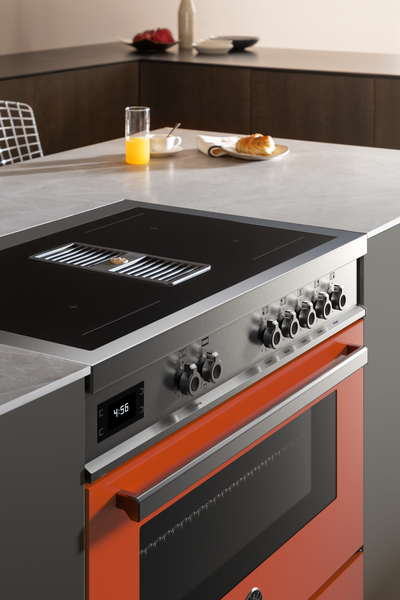
Alongside this, innovations such as ventilated induction hobs are expected to become more prevalent, combining powerful induction cooking with integrated ventilation to efficiently extract steam, smoke and odours directly at the source. By removing the need for separate extractor hoods, this technology supports cleaner lines, improved air quality and greater flexibility in kitchen design.
In the future, built-in functions are likely to focus on making cooking even more intuitive, reliable and adaptable - helping range cookers remain central to the modern kitchen without overwhelming the user.
The future of range cookers is about balance - combining smart technology, efficient performance and considered design without losing the character that makes range cookers so appealing. As expectations continue to evolve, these appliances are becoming more adaptable, more sustainable and better suited to modern living.
Whether acting as a statement piece or a hardworking family appliance, the next generation of range cookers is set to meet the demands of contemporary kitchens with confidence and style. Keep up to date with all the latest products via our social media and our website.