Range Cooker Hob Options Explained
Choosing a range cooker is not just about oven capacity or colour. The hob can make just as much difference to how the cooker feels to use every day - and there is far more choice than many people realise.
Gas and induction are the obvious starting points, move into premium range cookers and the options become much broader. The hob is the part you interact with most often, the place where quick midweek meals, slow Sunday cooking and bigger occasions all begin - and on a range cooker it can offer far more than a standard row of burners.
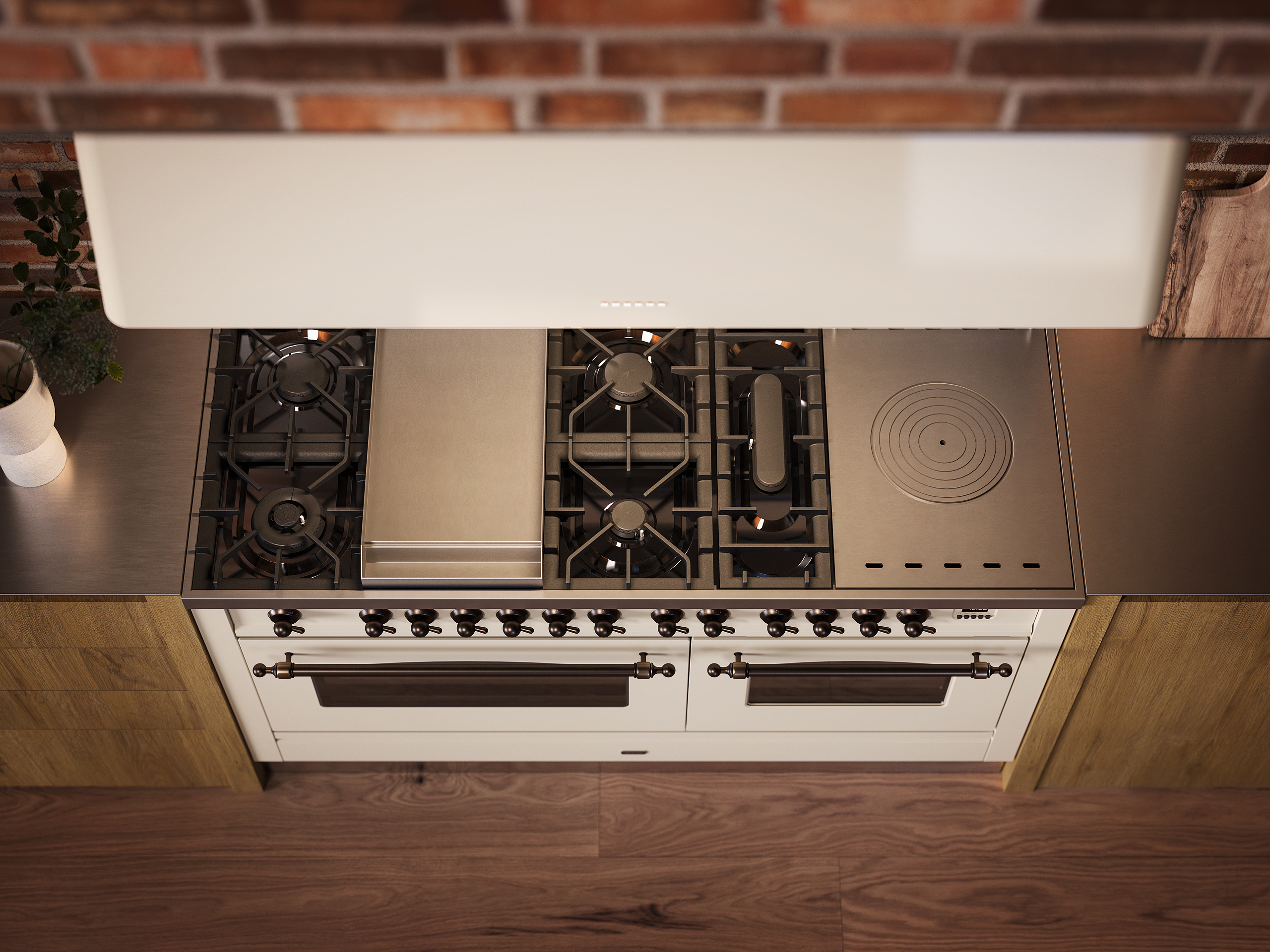
Some layouts are designed around simplicity and speed, while others give you much more room to tailor the cooker to the way you like to cook. The right choice can make everyday cooking feel easier, give you more control over different dishes and make better use of the generous space a range cooker offers.
So, what does each one actually offer - and which is likely to suit the way you cook?
Gas: familiar, responsive and incredibly versatile
Gas is still a favourite for cooks who like to see and control the heat directly, mainly in the form of a dual fuel cooker. Turn the dial and the flame responds immediately, making it easy to move quickly between a high heat and a gentle simmer.
Where a range cooker really improves on a standard gas hob is the variety of burner sizes. Rather than five, or more, near-identical burners, you will often find a mix designed for different jobs: smaller burners for sauces, medium burners for everyday cooking and powerful wok or dual-ring burners for large pans and high-heat dishes.
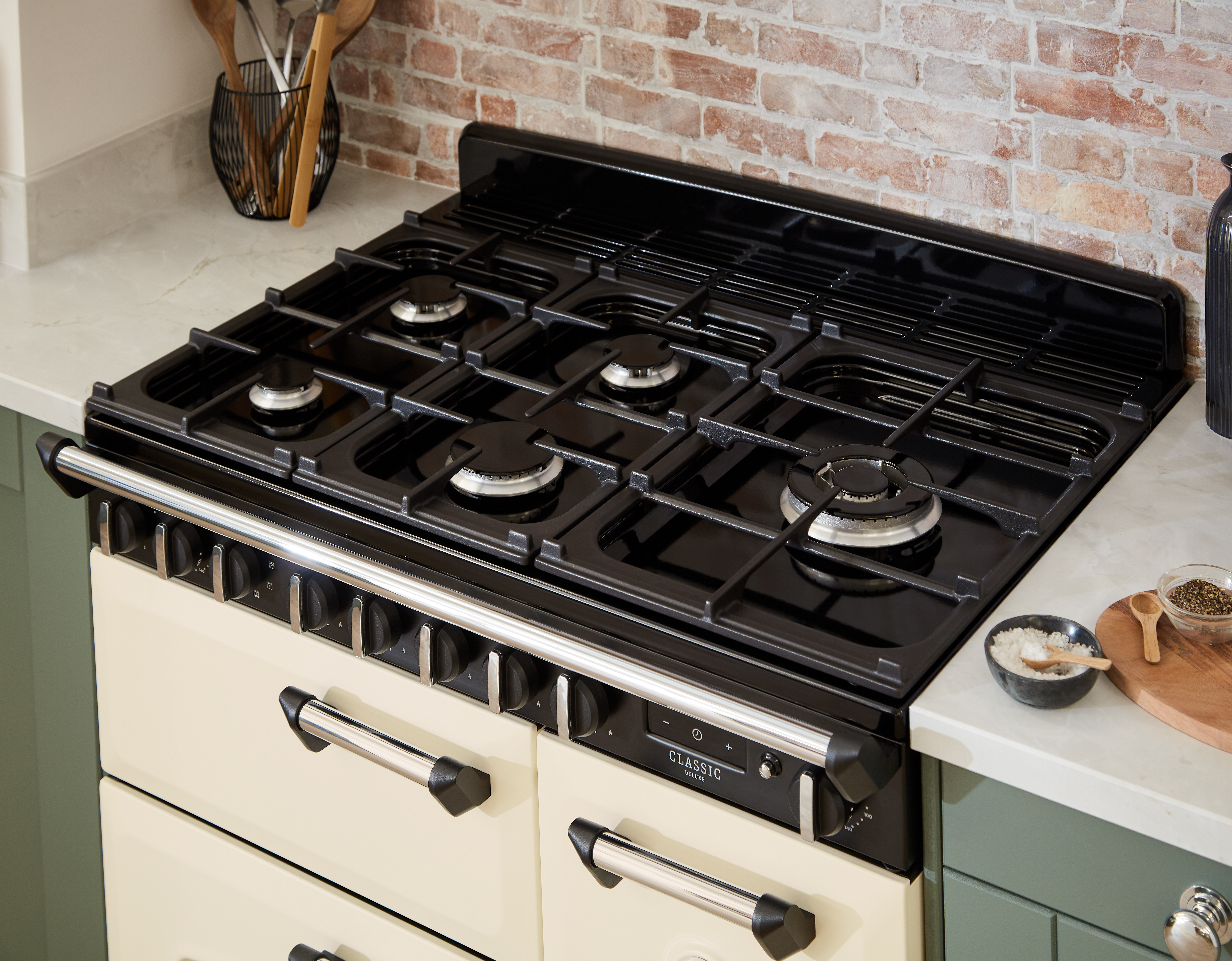
Best for: cooks who like visual control, use lots of different pan sizes or regularly switch between high and low temperatures.
It is also worth looking beyond the number of burners. A five-burner hob with genuinely different outputs can be far more useful than a larger hob made up of similar zones.
Induction: fast, precise and easy to live with
Induction has become the most popular alternative to gas, and it is easy to see why.
Because the pan itself is heated rather than surrounding hob surface, changes in temperature happen quickly. Boiling water, reducing a sauce or dropping to a low simmer can all be handled with a high degree of control.
Then there is the cleaning. The flat glass surface means that there are no pan supports, burner caps or awkward gaps to work around.
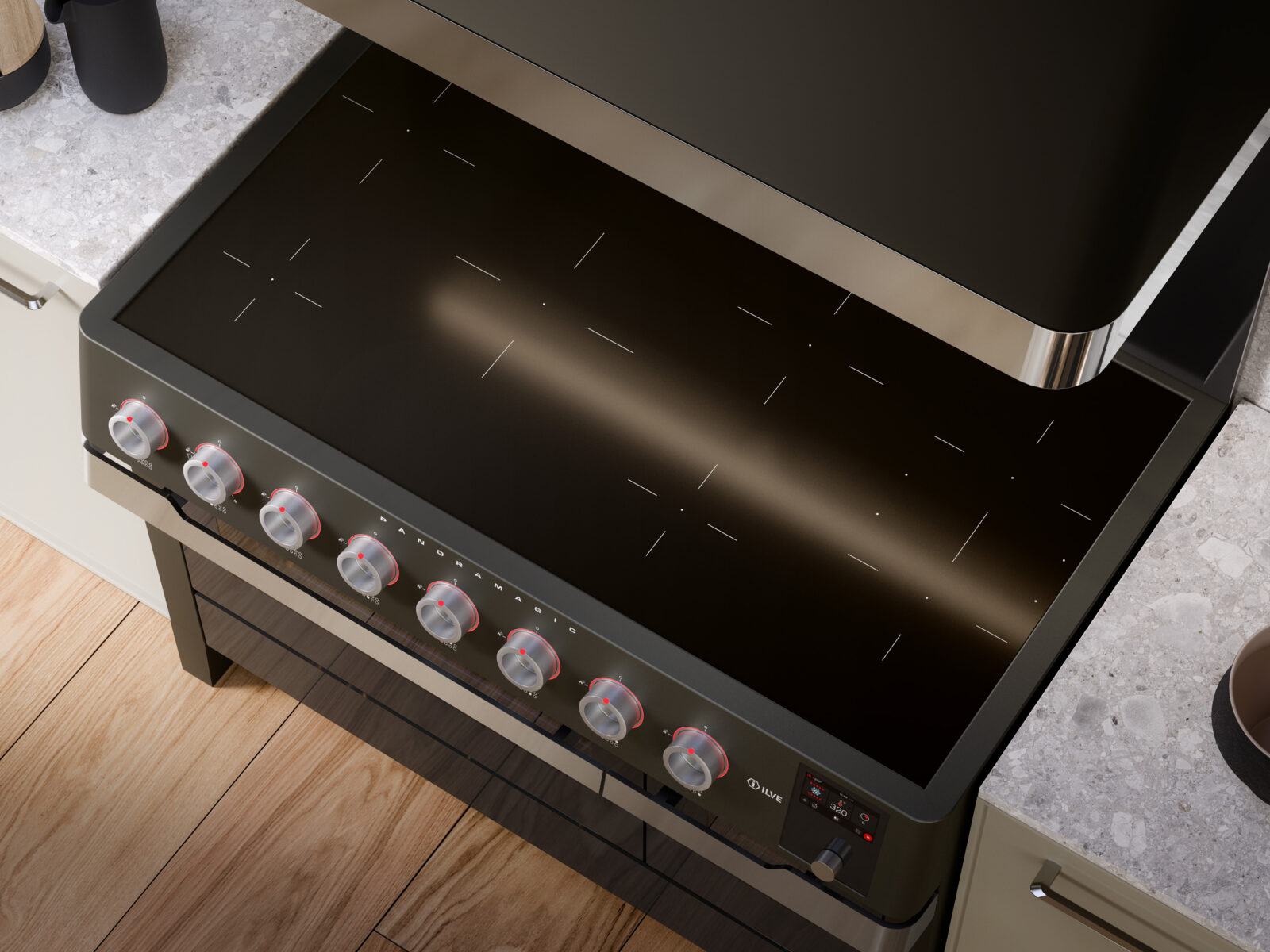
But the induction hobs on modern range cookers are not just about neat looks. Many include features such as:
- Power boost for faster heating
- Pan detection
- Individual zone timers
- Bridge functions that link two zones together
- Liquid spill protection
Best for: anyone who wants speed, accuracy and a cleaner, more streamlined cooking surface.
Bridge zones are especially useful on larger range cookers because they make better use of the extra hob width, rather than simply giving you more individual rings.
Gas or induction? You may not have to choose
This is where premium range cookers start to get much more interesting.
Some models allow gas burners and induction zones to sit together on the same hob, giving you two completely different ways to cook within one appliance.
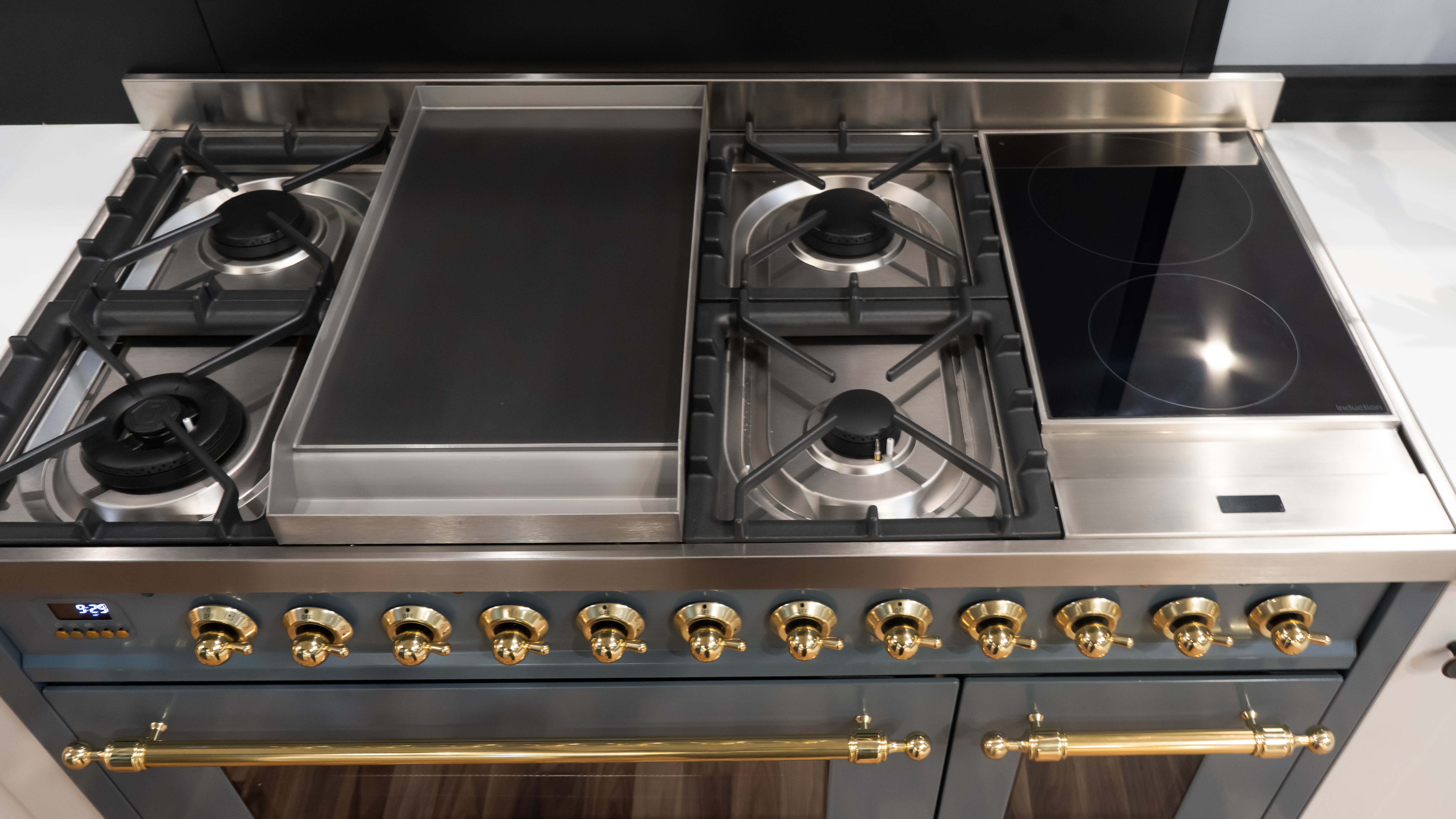
You might use gas for wok cooking or dishes where you want direct flame control, then use induction for boiling, simmering or jobs where precise temperature adjustment is more important.
It gives you the freedom to cook in different ways across the same surface, choosing the method that best suits each dish rather than relying on one style of cooking.
Brands such as ILVE and Lacanche offer configurations that can combine conventional burners with induction and other specialist hob elements, creating something much closer to a personalised cooking station.
Simmer plates: more useful than they first appear
A solid simmer plate may not look as exciting as a bank of burners, but it can completely change the way you cook.
Instead of each pan sitting over its own flame or induction zone, the plate creates a broad area of graduating heat. The centre is hotter while the outer areas are cooler, allowing you to control temperature simply by moving a pan.
This makes it particularly suited to:
- Sauces
- Stocks
- Casseroles
- Slow-cooked dishes
- Keeping food warm
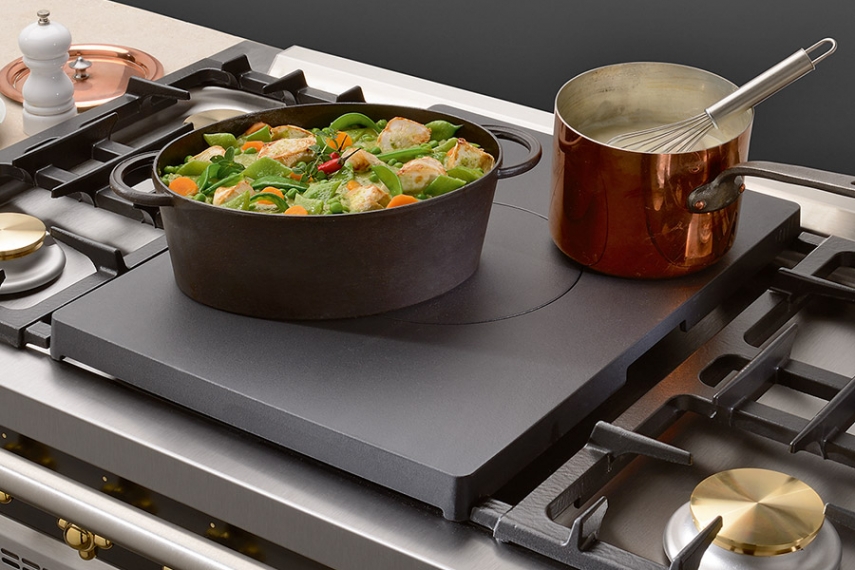
A pan can start in the hotter section, then move outward once it has reached temperature.
Lacanche is well known for this traditional style of hob, while ILVE offers its own version in the form of the Coup de Feu.
Think of it less as one giant burner and more as several heat levels across one surface.
Fry Tops and Plancha's: turn part of the hob into a cooking surface
A fry top changes the way you use a range cooker because it removes the frying pan from the equation entirely. Food is cooked directly on the heated surface, giving you a generous area for searing, frying and preparing several ingredients at once.
Steak, fish, vegetables, eggs and pancakes can all work particularly well this way, while the larger cooking area makes it easier to prepare multiple portions without trying to fit several frying pans across the hob.
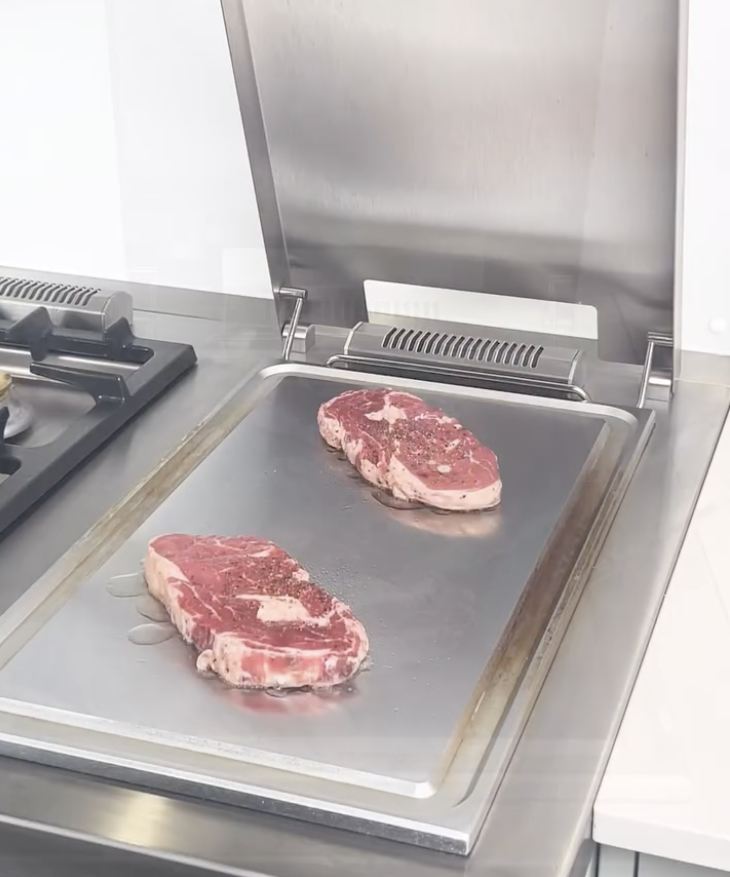
A plancha works on a very similiar principle, using a solid heated plate built into the cooker to cook food directly on the surface. The broad, even heat makes it well suited to ingredients that benefit from quick, direct cooking, from prawns and veg to burgers and pancakes.
Bertazzoni offers this style of cooking on their 120cm models, where a high-power stainless-steel electric griddle - or teppanyaki style plancha - sits alongside the main hob. It heats quickly and creates a dedicated cooking area without taking away the versatility of the surrounding burners.
Chargrills: bringing barbecue-style cooking indoors
A chargrill is one of the more specialist hob options, but it offers something that a conventional burner cannot quite replicate.
Food sits directly over the heated grill area, making it possible to create charred edges, sear marks and a more barbecue-style finish.
It works well for:
- Steak
- Chicken
- Fish
- Halloumi
- Vegetables
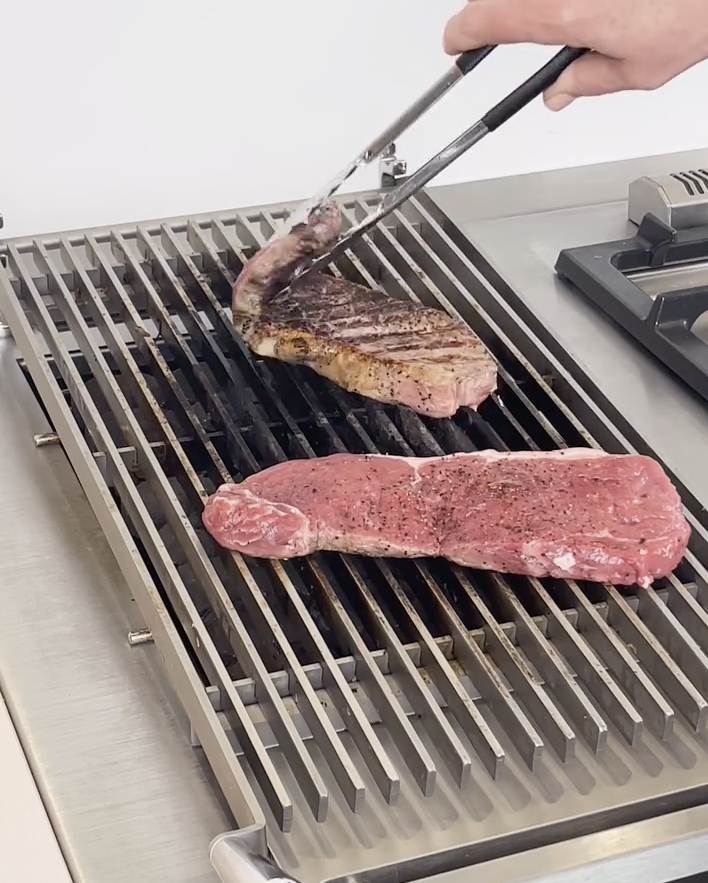
For many households this will not be an everyday feature, but if grilling is already a big part of how you cook, it can be a worthwhile addition.
This is also a good example of why larger premium range cookers can feel so different to standard freestanding cookers: the extra width is being used to add different cooking methods, not just more burners.
Wok Burners: not just for stir fries
A powerful wok burner is easy to overlook, especially if you do not cook with a wok very often. But the higher output can be useful for far more than stir fries.
Large stockpots, pasta pans and cast-iron cookware all benefit from a stronger heat, particularly when you want to bring something to temperature quickly.
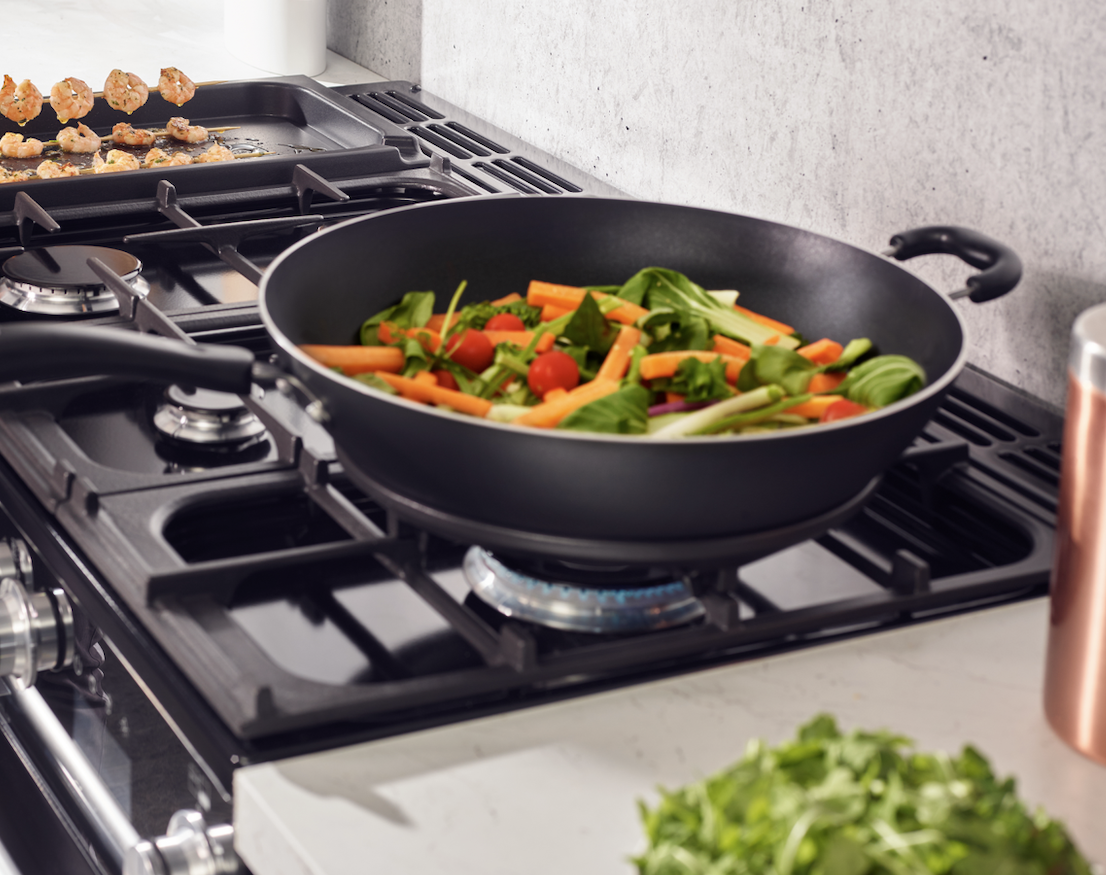
A proper wok burner will usually concentrate heat more intensely beneath the centre of the pan, making it noticeably different from simply turning a standard burner up to maximum.
Best for: high-heat cooking, larger pans and anyone who regularly cooks for several people.
Induction Griddles: extra cooking space without a permanent specialist zone
Induction does not mean missing out on griddle-style cooking. On some range cookers, bridging zones can be linked together to create one larger heated area, giving you the space to use a dedicated griddle plate across the hob.
The AGA Masterchef Deluxe induction is a good example. Two of its induction zones can be bridged together, creating a larger cooking surface that works particularly well with a griddle or oversized cookware. This allows you to sear meat, cook vegetables, prepare breakfast food or griddle several ingredients at once without needing a permanently built-in fry top.
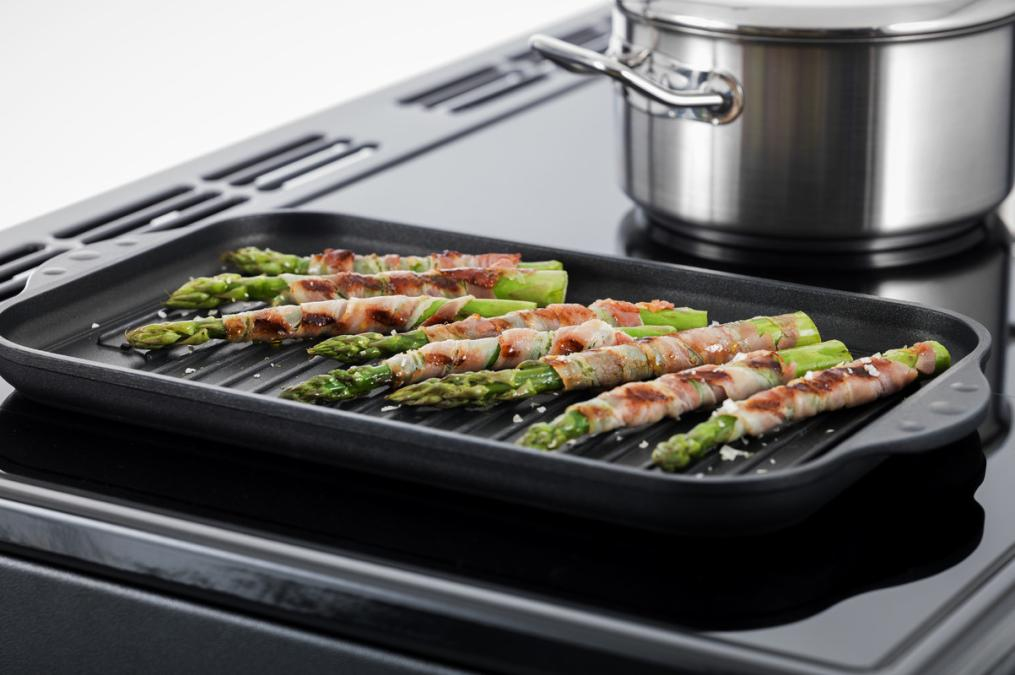
It is a useful option if you like the idea of a larger cooking surface but still want to keep the versatility of a full induction hob. When the griddle is not in use, the zones simply return to everyday induction cooking, so you are not giving up valuable hob space for a specialist feature.
Which hob option actually suits you?
Rather than asking which hob is "best", it is more useful to think about what you cook most often.
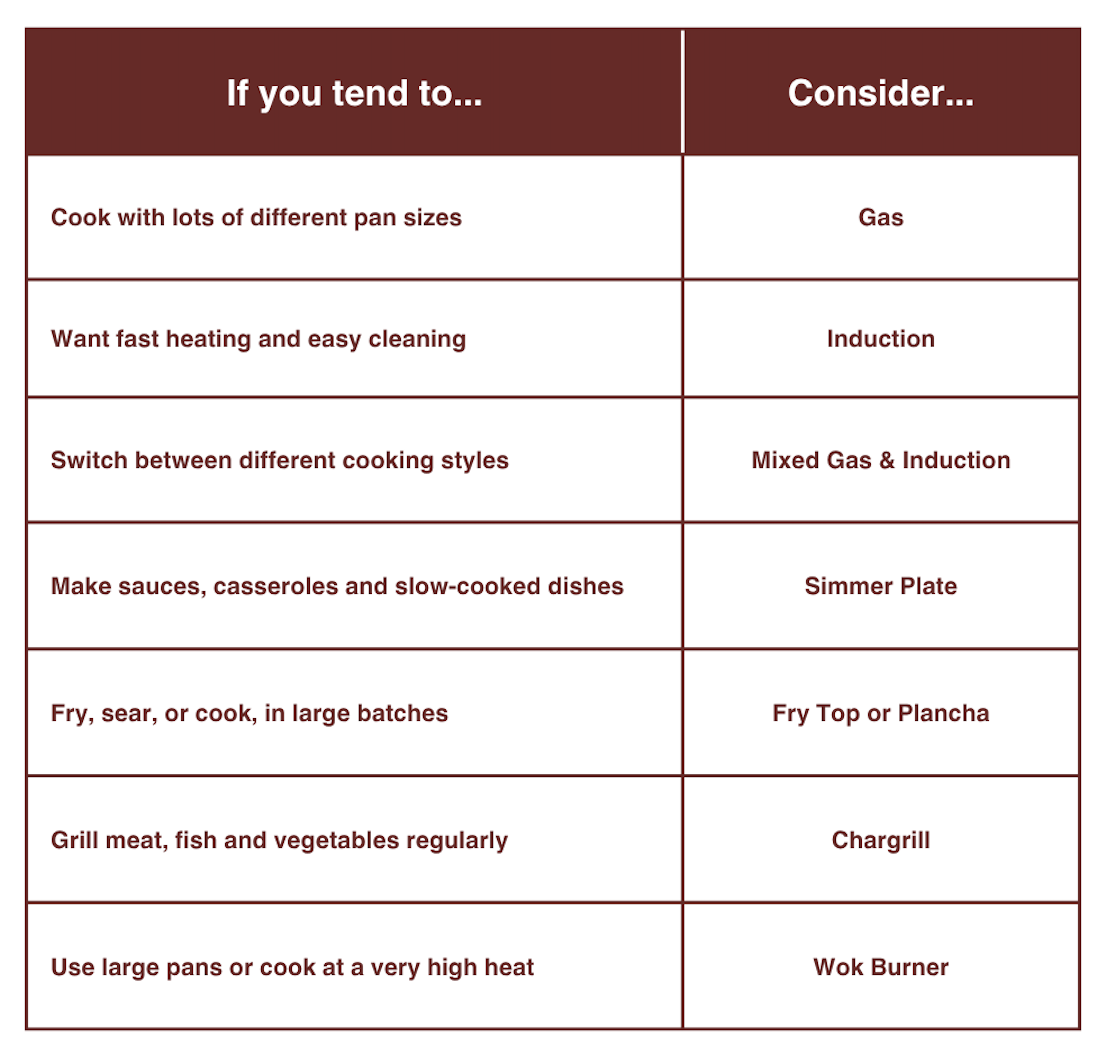
At the simpler end, you can choose between traditional gas and modern induction. Move into more configurable models and the hob can become much more individual, combining different burners, surfaces and cooking methods within one appliance.
Here at Rangecookers.co.uk, we stock a wide variety of range cookers with gas, induction and specialist hob configurations, so it is worth comparing not only how each cooker looks, but how the hob will actually fit into the way you cook every day.
Find out more here.