Understanding Range Cooker Oven Functions: What Do They Actually Do To Your Cooking?
From conventional baking and fan-assisted cooking to specialist pizza settings, modern range cookers offer far more than a choice of temperatures. Behind the different symbols on an oven's control panel are a variety of heating methods, each designed to influence how food cooks, browns and develops its texture.
While many of us rely on the same familiar settings, the functions available within a multifunction oven can make a noticeable difference to the finished dish. Whether it's the positioning of the heating elements or the way hot air circulates around the oven, each function changes how food cooks, from the rise of a delicate sponge to the browning of a roast.
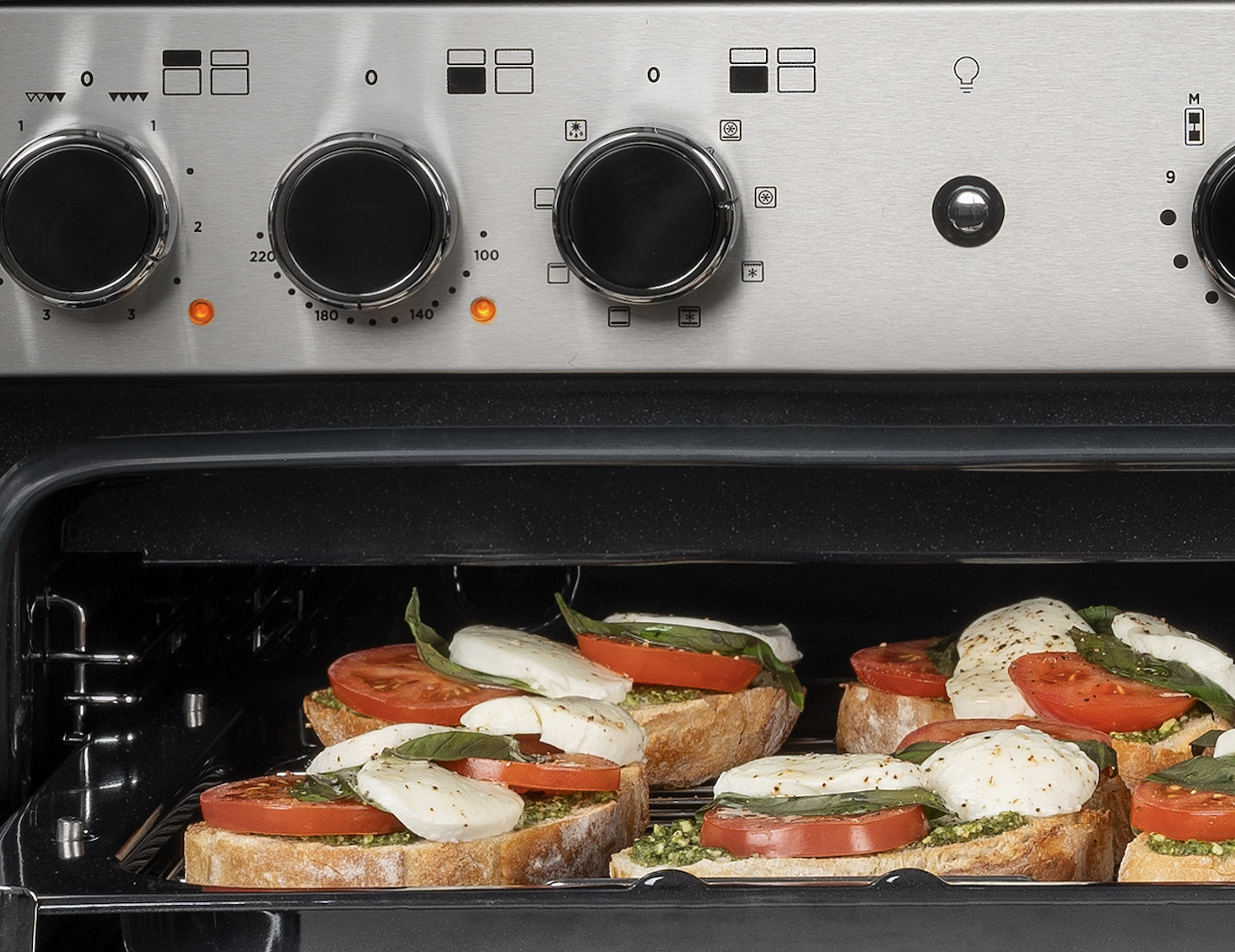
Understanding these differences provides a better picture of what modern range cookers can achieve, as well as helping you make better use of the appliance already in your kitchen...
Fanned Cooking: Even Heat Across Multiple Shelves
Fan cooking is one of the most familiar oven functions, using a heating element positioned around a fan at the rear of the cavity. As the element generates heat, the fan distributes the warm air throughout the oven, helping to maintain a consistent cooking temperature and reducing the hot spots that can affect cooking results.
This arrangement makes it possible to prepare several trays of food simultaneously, with circulating air reducing the temperature variations found in traditional ovens. Batch baking is a good example, as multiple trays of biscuits, pastries or flapjacks can cook at the same temperature without relying on one central shelf.
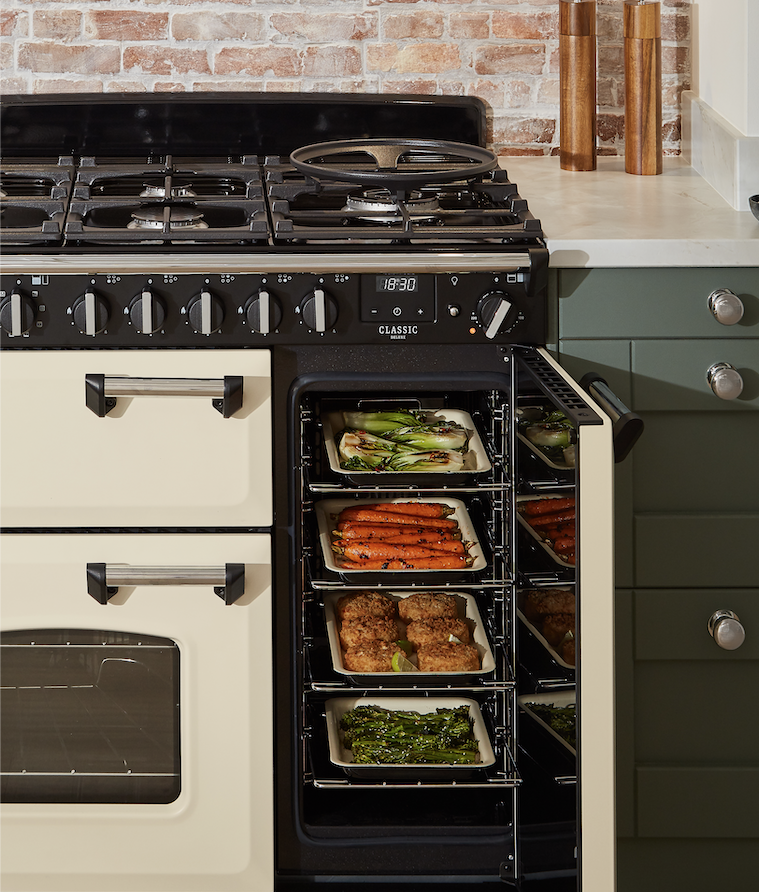
Fan cooking is also well suited to roasting vegetables, preparing traybakes and cooking dishes that require consistent heat through the cavity. Recipes originally written for conventional ovens may require a lower temperature when using a fan setting, with a reduction of around 20°C often recommended, depending on the appliance.
Conventional Oven: Traditional Top and Bottom Heat
Unlike fan cooking, a conventional oven uses heating elements positioned at the top and bottom of the cavity without forced air circulation. Heat moves naturally through the oven, creating different temperature zones depending on shelf position.
This traditional heating method allows food to receive heat from above and below, making it suitable for roasting, baking and recipes that benefit from a more gradual cooking environment.
Sponge cakes and certain pastry recipes, for example, can respond well to conventional heat, where the absence of forced airflow avoids the additional surface drying associated with fan circulation.
Shelf positioning plays an important role in how food cooks. Placing a dish higher in the oven generally exposes it to more heat from above, encouraging surface browning, while lower positions bring food closer to the bottom element. For cakes and recipes requiring a balanced rise, the central shelf is often the preferred position.
Fan-Assisted Cooking: Combining Traditional Heat with Circulation
Although fan and fan-assisted cooking are often confused, they operate using different heating arrangements.
A fan-assisted oven combines the upper and lower heating elements of a conventional oven with a circulating fan. Rather than generating heat from an element surrounding the fan, it distributes heat produced from the top and bottom of the cavity.
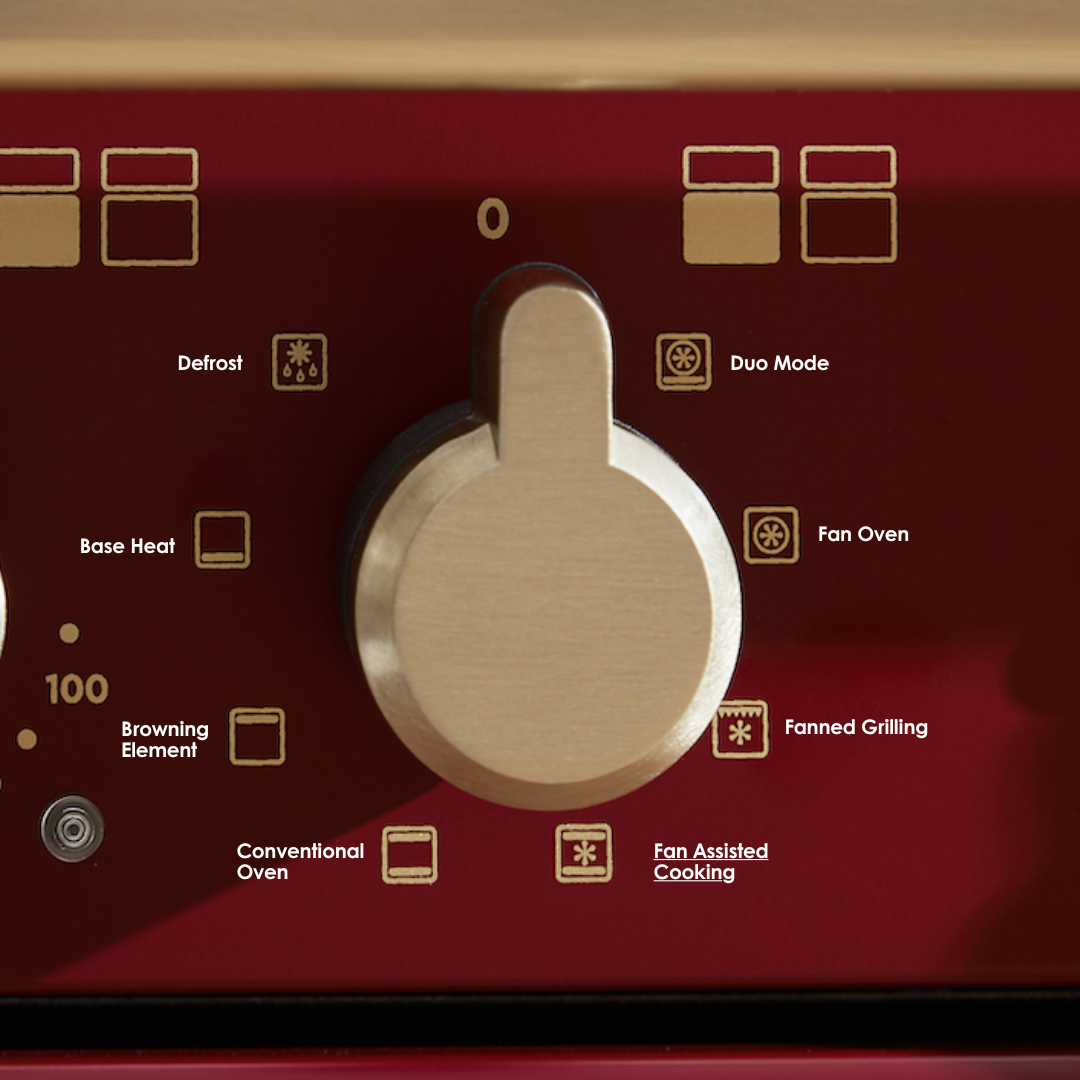
By moving this heated air around the oven, the fan helps reduce temperature variations while retaining the characteristics of traditional top and bottom heat.
Large roasting joints are a good example of where fan-assisted cooking can be effective. The upper and lower elements provide heat for roasting, while the fan encourages more consistent cooking around the joint, helping the exterior develop an evenly browned finish.
Fan assisted settings can also be used for baking, particularly when a recipe benefits from the combination of traditional radiant heat and improved air circulation.
Fanned Grilling: Browning with Circulated Heat
Fanned grilling combines the upper grill element with fan circulation, offering an alternative to the concentrated radiant heat of a conventional grill.
Rather than directing heat primarily towards the exposed surface, the fan moves heated air around the cavity, helping thicker ingredients cook through while still developing colour on the outside.
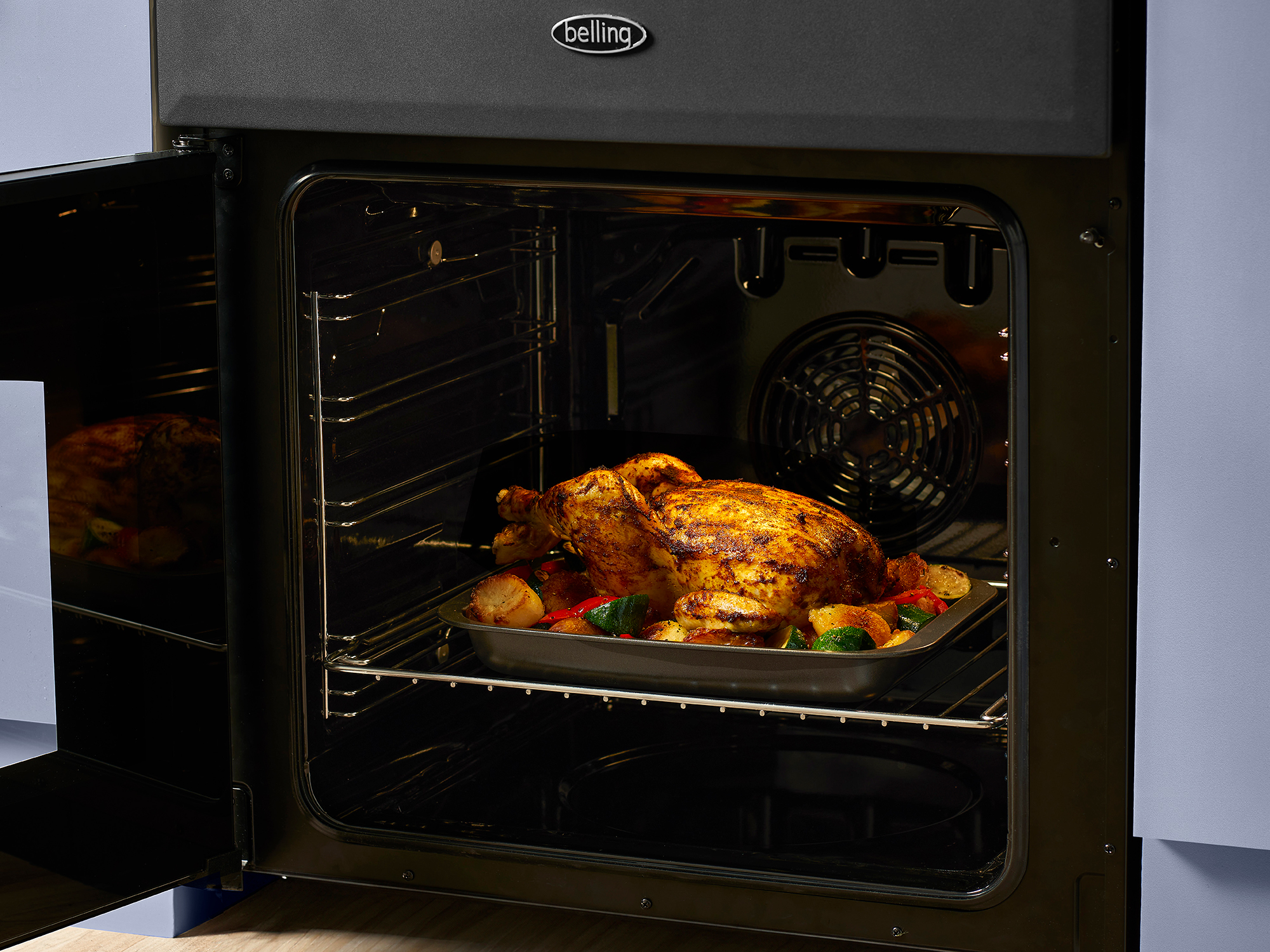
Chicken portions, fish fillets and substantial cuts of meat can all be prepared using this setting. When cooking chicken thighs, for instance, the grill element encourages the skin to become golden and crisp, while the circulating air helps transfer heat around the meat.
On many range cookers, fanned grilling is designed to operate with the oven door closed, with food positioned on a grill pan or trivet to allow air to circulate underneath. Unlike conventional grilling, it can be particularly effective for thicker cuts that need time to cook through without relying solely on intense surface heat.
Browning Element: The Finishing Touch
The browning function uses an upper heating element independently, directing heat towards the surface of a dish without activating the lower element or fan.
Unlike conventional grilling, which is often used to cook food beneath intense radiant heat, the browning element is generally intended for the final stages of cooking, when a dish is already cooked through but needs additional colour or texture on top.
A homemade lasagne, for instance, might be ready to serve but still have a relatively pale cheese topping. Switching to the browning element gives the upper surface an opportunity to develop a golden finish without applying further heat from beneath.
Gratins, cauliflower cheese and dishes finished with breadcrumbs can also benefit from a short period of additional top heat, particularly when a crisp topping is part of the finished recipe.
Because the heat is concentrated towards the top of the cavity, it's important to keep an eye on the dish to prevent excessive browning.
Defrost: Circulating Air Without Heat
Not every oven function involves generating heat. Defrost mode generally operates the fan without activating the heating elements, circulating unheated air around food to assist with thawing.
Unlike placing frozen ingredients in a heated oven, the intention is to move air around the food without beginning the cooking process.
Some manufacturers recommend this setting for certain smaller frozen items, although its suitability depends on the appliance instructions and the type of food being defrosted.
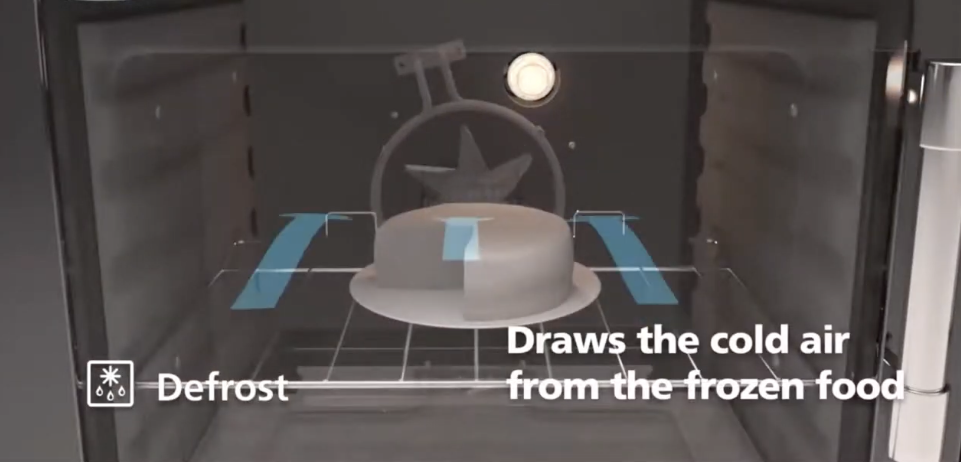
For raw meat, poultry and other highly perishable ingredients, refrigerator defrosting remains the safest general recommendation. Larger items such as whole chickens or substantial joints should not be thawed using a room-temperature fan-only oven setting.
It's also important that the oven has cooled completely before selected defrost, as residual heat could affect the thawing process.
Base Heat: Gentle Cooking from Below
Base heat uses the lower heating element independently, supplying heat from beneath the oven cavity without activating the upper element or fan.
One of its main applications is providing additional heat to the underside of dishes, particularly towards the end of cooking. At suitable temperature, this can help finish pastry cases, pizza and other recipes where a firm, properly cooked base is important.
Imagine removing a quiche from the oven and finding that the filling has set, but the pastry underneath needs a little longer. Rather than continuing to expose the entire dish to conventional heat, the base heat setting allows you to direct further cooking towards the pastry.
The function can also have applications at lower temperatures. Depending on the manufacturer's recommendations, bottom heat may be suitable for certain slow-cooked dishes or bain-marie preparations, where a gentler supply of heat is required.
Its usefulness therefore extends beyond simply crisping pastry, with the selected temperature and cooking time determining how the lower element is used.
Additional Specialist Oven Functions
Some manufacturers also offer specialist settings that extend beyond traditional cooking methods. Selected ILVE range cookers, for example, feature a Quick Start function, capable of preheating the oven to 200°C in as little as six minutes, alongside an Eco Cooking mode designed to reduce energy consumption during slower cooking processes.
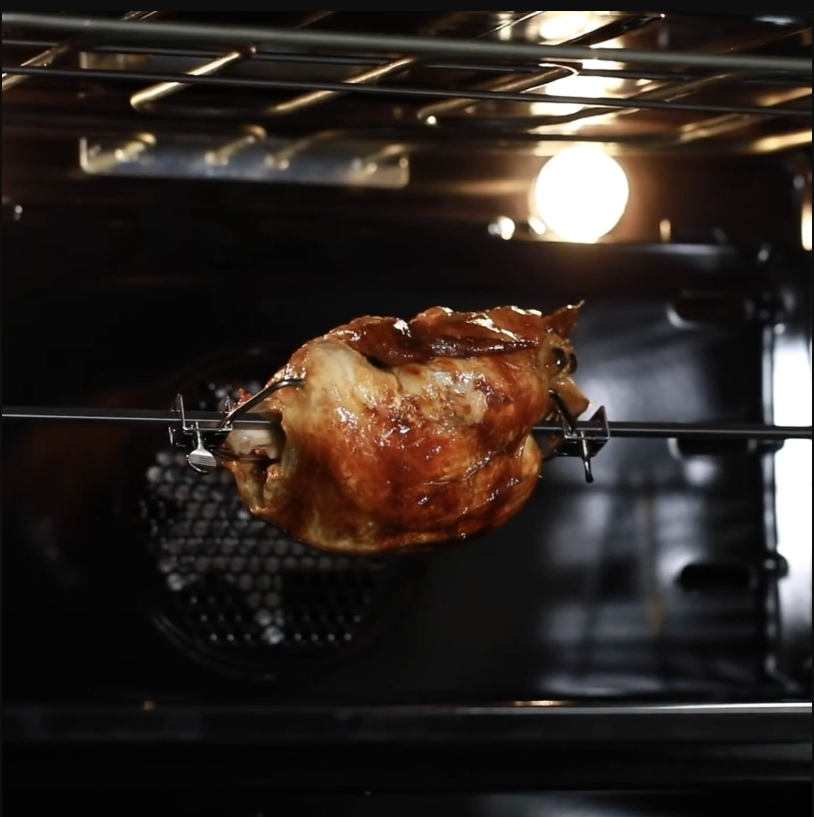
For those who enjoy preparing roasted meats, selected models may also feature a fan grill with rotisserie. Using a rotating spindle positioned beneath the grill element, this arrangement continuously turns the meat during cooking, exposing different sides to the heat and encouraging more uniform browning.
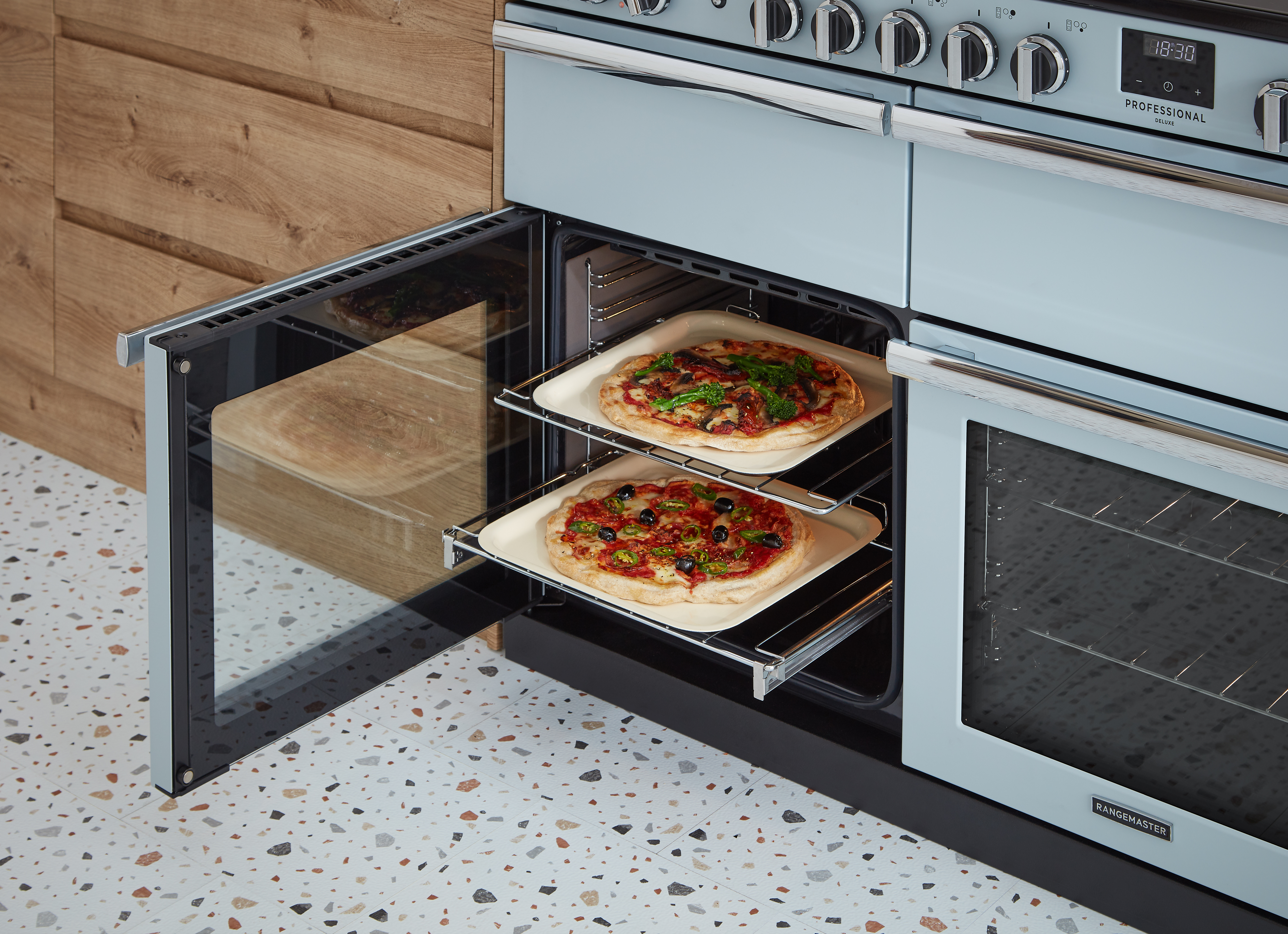
Dedicated pizza settings are another feature worth exploring. Depending on the appliance, these programmes use specific combinations of heating elements and temperatures to help cook pizza bases thoroughly while allowing toppings to brown. Some specialist pizza modes are designed to operate at considerably higher temperatures than standard oven settings, creating cooking conditions better suited to traditional pizza preparation.
The availability and operation of these additional functions vary between manufacturers and individual models, making it worth looking at the specific cooking programmes offered by each appliance.
While two range cookers may offer a similar number of oven functions, the way those settings operate can differ considerably. Looking beyond the symbols on the control panel and understanding the cooking methods behind them is a useful starting point when comparing models.
At Rangecookers.co.uk, our team can help you compare the cooking capabilities of different range cookers and find an appliance with the features that suit your requirements. Alternatively, explore the full range of models available on our website here.